.svg)
Tell Us a Little More About Yourself!
Sexual Performance Anxiety
Sexual performance anxiety is a common yet frequently misunderstood contributor to male sexual dysfunction. While often described as “psychological,” performance anxiety has real physiologic consequences, directly interfering with the neurologic and vascular processes required for normal sexual function.
At The Y Factor, sexual performance anxiety is evaluated within a medical, diagnostic-first framework, recognizing that anxiety-related sexual dysfunction frequently overlaps with erectile dysfunction, ejaculation disorders, hormonal imbalance, and prior negative sexual experiences. Identifying performance anxiety requires careful clinical evaluation—not assumptions or dismissal.
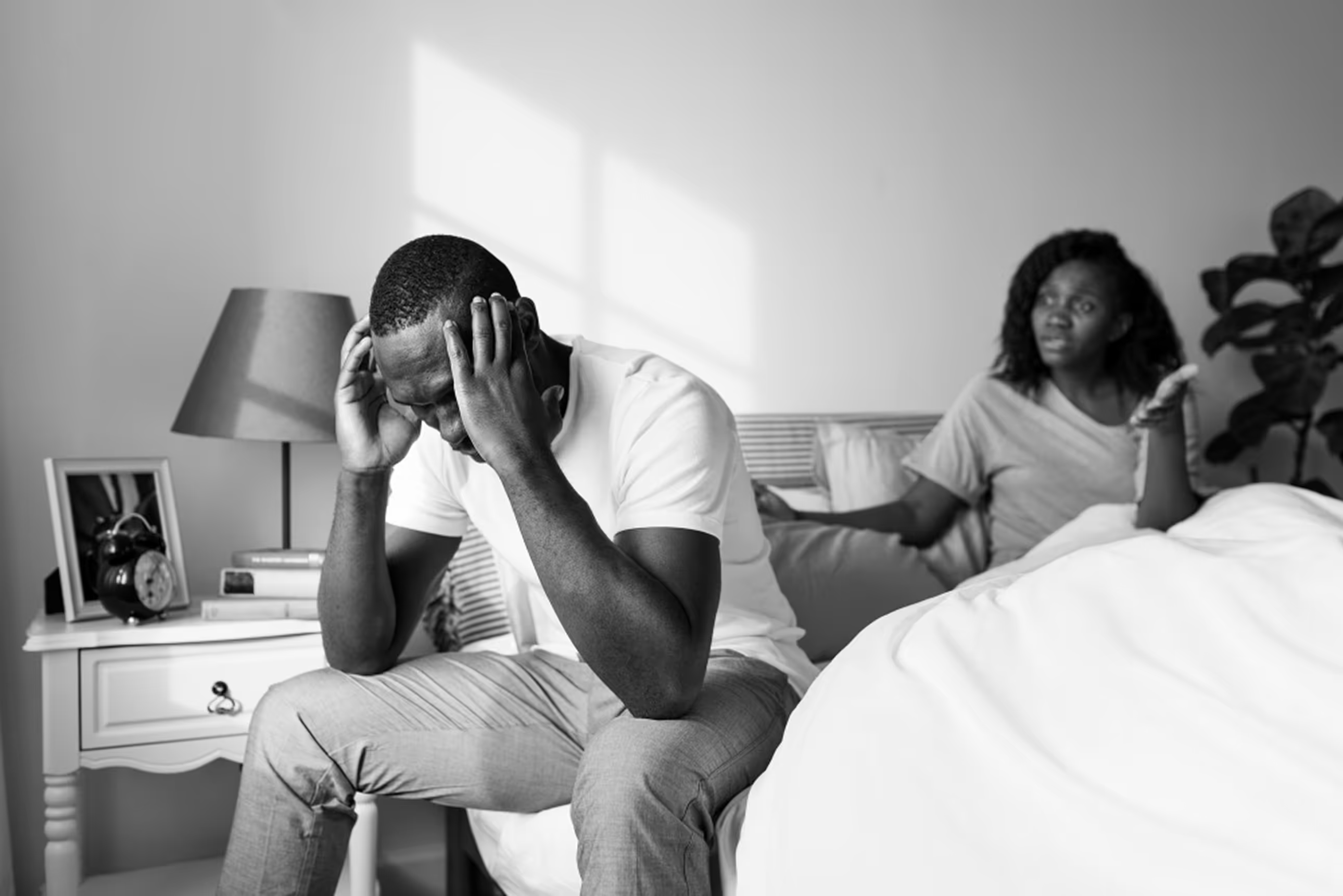

What Is Sexual Performance Anxiety?
Sexual performance anxiety refers to persistent worry, fear, or mental preoccupation related to sexual performance. This anxiety may focus on:
- achieving or maintaining an erection
- ejaculation timing
- pleasing a partner
- fear of failure or embarrassment
Performance anxiety can occur at any age and may develop suddenly or gradually over time.
Importantly, sexual performance anxiety is not a lack of desire or attraction—it is a stress response that disrupts sexual function.
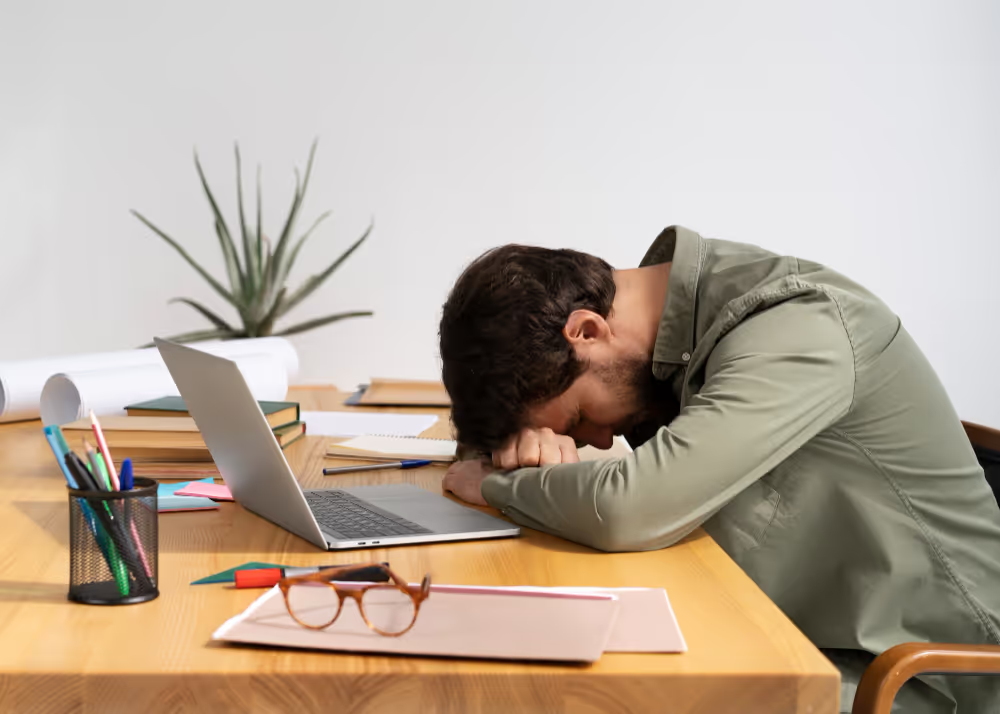
How Anxiety Affects Sexual Function
Sexual function depends on the parasympathetic nervous system, which promotes relaxation, blood flow, and arousal. Anxiety activates the sympathetic nervous system—the body’s “fight or flight” response—which works against erection and ejaculation control.
When anxiety is present:
- blood vessels constrict
- heart rate increases
- muscle tension rises
- mental focus shifts away from arousal
These changes directly impair erections and ejaculatory regulation.
Sexual Performance Anxiety vs Other Causes of Sexual Dysfunction
Performance anxiety differs from other causes of sexual dysfunction:
- vascular ED involves impaired blood flow
- hormonal dysfunction involves altered libido or signaling
- neurologic conditions affect sensory or reflex pathways
Performance anxiety is situational and often inconsistent, but it may coexist with medical causes, making careful evaluation essential.

Common Triggers of Sexual Performance Anxiety
Performance anxiety often develops after:
- a single episode of erectile difficulty
- premature or delayed ejaculation
- relationship conflict
- health changes or illness
- increased stress or life transitions
Past sexual experiences can shape future expectations, creating a cycle of anxiety and dysfunction.
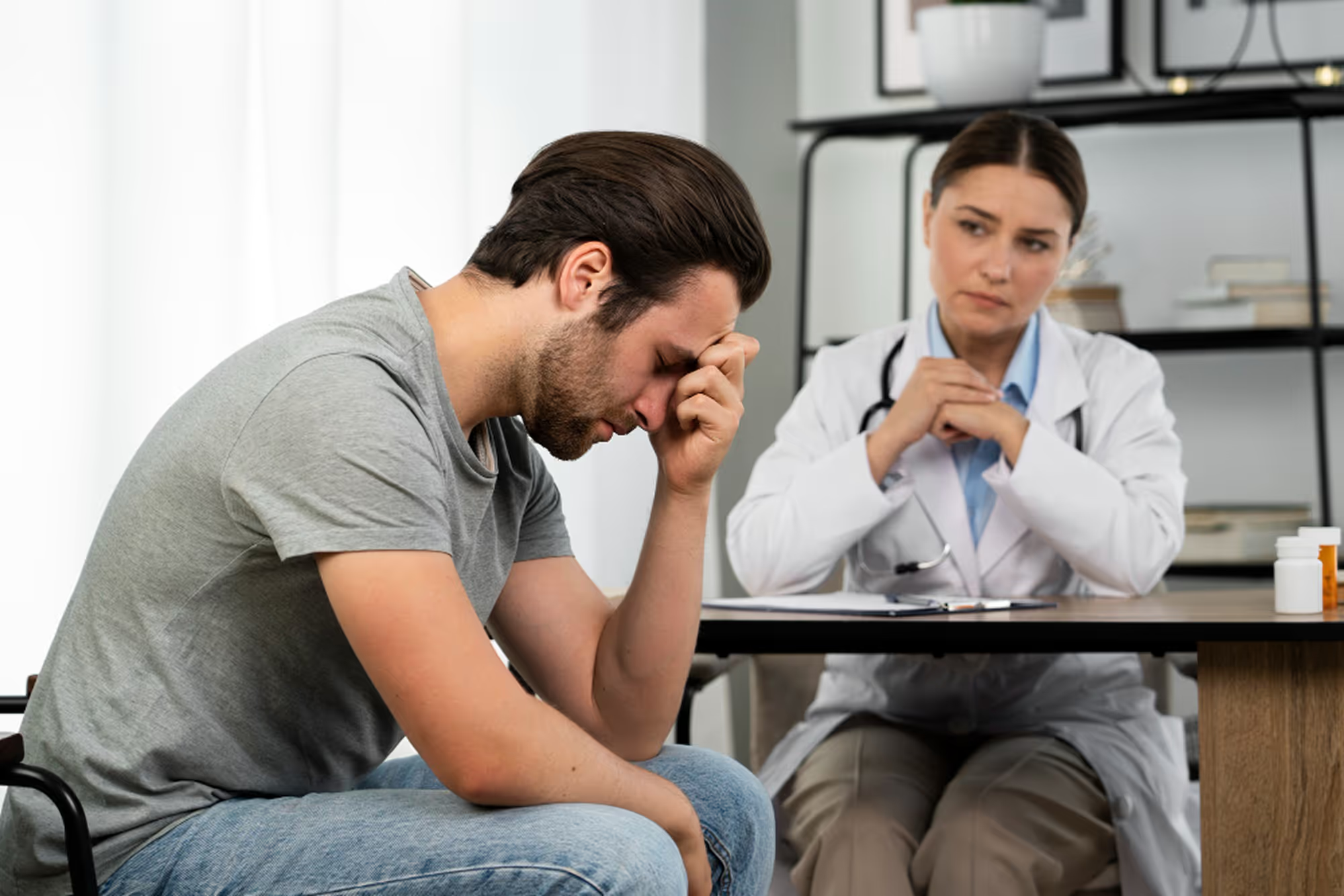
How Sexual Performance Anxiety Impacts Erections and Ejaculation
Anxiety may cause:
- difficulty achieving erections
- erections that fade quickly
- premature ejaculation due to heightened arousal
- delayed ejaculation due to suppressed neurologic signaling
Because anxiety affects multiple pathways, symptoms vary widely between individuals.
Symptoms and Patterns of Sexual Performance Anxiety
Symptoms may include:
- erections that fail in specific situations
- normal erections during masturbation but not partnered sex
- anticipatory anxiety before intimacy
- avoidance of sexual encounters
- increased focus on performance rather than pleasure
Situational consistency is a key diagnostic clue.
.avif)
Why Sexual Performance Anxiety Is Often Misdiagnosed
Performance anxiety is frequently misdiagnosed because:
- symptoms resemble organic ED
- men hesitate to discuss anxiety
- clinicians focus only on erections
- underlying medical contributors are not evaluated
Mislabeling performance anxiety without ruling out medical causes can lead to ineffective care.
How Sexual Performance Anxiety Is Evaluated

Sexual Performance Anxiety and Long-Term Sexual Health
If unaddressed, performance anxiety may:
- reinforce avoidance behaviors
- worsen erectile or ejaculatory symptoms
- impact relationships and self-confidence
- contribute to depressive symptoms
Early identification helps prevent chronic sexual dysfunction.

When Men Should Seek Evaluation
Men should consider evaluation if they experience:
- situational erectile or ejaculatory difficulties
- anxiety surrounding sexual performance
- avoidance of intimacy
- sexual dysfunction despite normal health
Evaluation provides clarity and reassurance.
Schedule a Sexual Health Evaluation
The Y Factor provides comprehensive sexual health evaluation in Houston, integrating diagnostic assessment and clinical oversight for men experiencing sexual performance anxiety and related concerns.