This is the default text value

Male Fertility & Family Planning Evaluation

Family planning is often framed around female reproductive health, but male fertility plays an equally important role in conception, pregnancy outcomes, and long-term reproductive decision-making. Despite this, male factors are frequently under-evaluated or addressed only after months or years of unsuccessful attempts to conceive.


At The Y Factor, we approach fertility and family planning from the male perspective, using a diagnostic-first, evidence-based framework. Whether you are actively trying to conceive, planning for future fertility, or considering permanent contraception, our goal is to provide clarity, objective evaluation, and informed guidance.

Conditions We Treat in Fertility & Family Planning

We evaluate and manage a wide range of fertility and family planning concerns, using objective diagnostics to guide care decisions.


This is the default text value
Male Infertility

Male infertility refers to challenges with sperm production, quality, or delivery that affect the ability to conceive.

Many men have no symptoms and feel otherwise healthy, making evaluation essential when pregnancy does not occur as expected.

Learn more

This is the default text value
Vasectomy & Family Planning

Vasectomy is a highly effective form of permanent contraception, but it requires thoughtful consideration.

Family planning decisions involve understanding long-term implications, alternatives, and future fertility options before proceeding.

Learn more

This is the default text value
Post-Vasectomy Fertility Options

Although vasectomy is intended to be permanent, some men later reconsider their fertility goals.

Evaluation can help clarify whether options such as reversal or sperm retrieval may be appropriate based on individual factors.

Learn more

This is the default text value
Varicocele & Fertility

A varicocele is an enlargement of veins within the scrotum that can impair sperm quality and testicular function. It is a common, often overlooked contributor to male infertility and may be correctable after proper evaluation.

Learn more

This is the default text value
Male Factor Miscarriage

Male fertility factors can contribute to recurrent pregnancy loss through subtle sperm abnormalities that standard testing may miss.

Identifying these factors can change evaluation strategies and future family planning decisions.

Learn more

This is the default text value

Male Fertility Plays a Central Role in Family Planning

Male fertility is not limited to sperm count alone. Successful reproduction depends on a complex interaction of:

  • sperm production and maturation
  • sperm motility and morphology
  • hormonal regulation
  • reproductive anatomy
  • overall metabolic and systemic health

Even subtle abnormalities can significantly impact fertility outcomes. Importantly, many men with fertility challenges feel completely healthy and have no outward symptoms—making diagnostic testing essential.

Family planning decisions also extend beyond conception. Men often seek guidance regarding:

  • fertility preservation
  • timing of conception
  • vasectomy decisions
  • post-vasectomy fertility options

Each of these decisions benefits from objective evaluation and thoughtful counseling.

Understanding Male Fertility and Reproductive Health

This is the default text value

How Male Fertility Is Determined

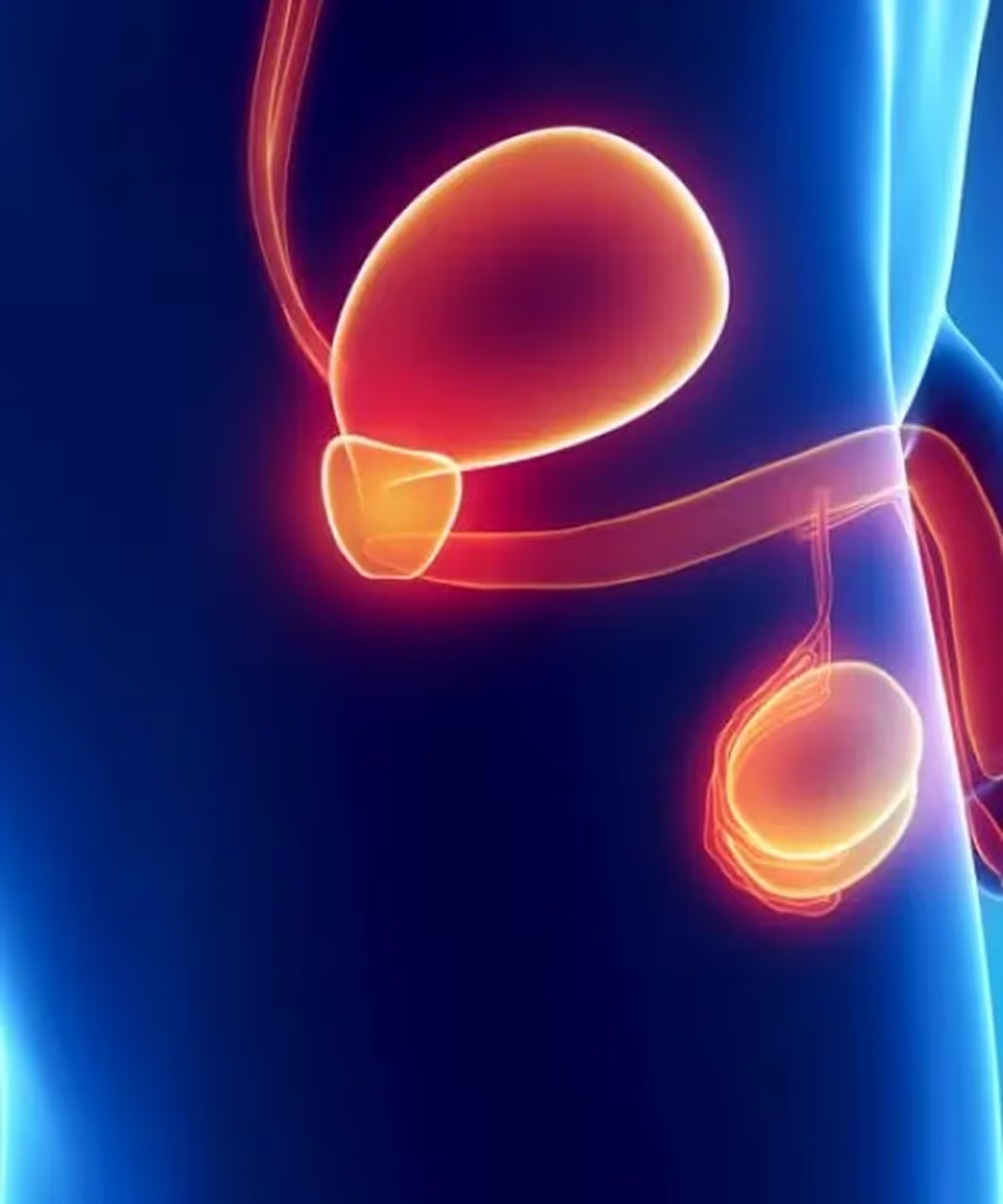
Male fertility is primarily assessed through semen quality, which reflects the health of sperm production, maturation, and transport. Key parameters include:

  • sperm concentration
  • sperm motility (movement)
  • sperm morphology (shape)
  • semen volume and consistency

These parameters are influenced by hormonal balance, testicular function, vascular supply, and overall health.

Know More

This is the default text value

Why Fertility Issues Are Often “Silent” in Men

Unlike some female fertility conditions, male fertility issues rarely cause pain or noticeable symptoms. A man may have:

  • low sperm count
  • impaired motility
  • abnormal morphology

without any change in libido, erections, or physical well-being. As a result, fertility challenges may go undetected until conception does not occur.

This underscores the importance of early male evaluation rather than deferring assessment.

Know More

Related Fertility Diagnostics

Accurate diagnosis is the foundation of effective fertility care.

These diagnostic evaluations help identify the underlying causes of male fertility challenges and guide personalized treatment planning.


This is the default text value

Semen Analysis

Evaluates sperm count, movement, shape, and overall semen quality to identify potential causes of male infertility.

Know More

This is the default text value

Scrotal Ultrasound

Uses imaging to assess the testicles and surrounding structures, helping detect conditions such as varicoceles or structural abnormalities.

Know More

This is the default text value

Fertility Hormone Testing

Measures key hormones that regulate sperm production and reproductive function to uncover underlying hormonal imbalances.

Know More

Male Factors Are Common in Fertility Challenges

Male-Only, Female-Only, and Combined Infertility

Fertility challenges typically fall into one of three categories:

  • male factor infertility
  • female factor infertility
  • combined male and female factors

Male factors contribute to a significant portion of infertility cases, either alone or in combination. Evaluating both partners early allows for more efficient and targeted care.

Male Factors and Unexplained Infertility

In some cases, couples are labeled as having “unexplained infertility” after initial testing. However, more detailed male evaluation often reveals subtle sperm quality issues, hormonal imbalances, or anatomic contributors that were previously missed.

Identifying these factors can change management strategies and improve outcomes.

Our Diagnostic-First Approach to Fertility & Family Planning

At The Y Factor, fertility and family planning care begins with objective evaluation through comprehensive diagnostic testing, not assumptions.

This is the default text value

Why Semen Analysis Is Foundational

Semen analysis is the cornerstone of male fertility assessment. It provides objective data on sperm quantity and quality and helps guide further evaluation.

Results may:

  • confirm normal fertility potential
  • identify specific abnormalities
  • prompt additional diagnostic testing

Because semen parameters can vary over time, interpretation requires clinical context.

Know More

This is the default text value

The Role of Hormonal Testing

Hormones regulate sperm production and reproductive function. Hormonal evaluation may assess:

  • testosterone
  • luteinizing hormone (LH)
  • follicle-stimulating hormone (FSH)
  • other relevant markers

Hormonal abnormalities may exist even when sperm parameters appear near normal, making testing an important component of comprehensive evaluation

Know More

This is the default text value

When Imaging and Advanced Testing Are Needed

In some cases, imaging or additional testing may be recommended, such as:

  • scrotal ultrasound to evaluate testicular anatomy or varicoceles
  • semen culture when infection or inflammation is suspected
  • targeted testing based on clinical findings

Each test is selected to answer a specific clinical question.

Know More

Learn more about our diagnostic-first approach to fertility and family planning.

Family Planning Beyond Difficulty Conceiving

Fertility Preservation and Future Planning

Men may wish to preserve fertility due to:

  • planned medical treatments
  • career or life timing considerations
  • uncertainty about future family plans

Objective evaluation helps guide fertility preservation decisions and expectations.

Learn More

Vasectomy as a Family Planning Decision

Vasectomy is a highly effective form of permanent contraception, but it should be approached thoughtfully. Pre-vasectomy counseling focuses on:

  • permanence
  • alternative options
  • expectations for recovery and follow-up

Some men choose baseline semen testing prior to vasectomy as part of long-term planning.

Learn More

Post-Vasectomy Fertility Considerations

Although vasectomy is intended to be permanent, future fertility options may exist, including:

  • vasectomy reversal
  • sperm retrieval with assisted reproduction

These options vary in success and complexity, reinforcing the importance of informed decision-making upfront.

Learn More

Urologist in a white coat reviewing results on a digital tablet with a male patient.

How Male Fertility Relates to Overall Health

Emerging research suggests that male fertility parameters may reflect broader systemic health. Poor sperm quality has been associated with:

  • metabolic dysfunction
  • chronic inflammation
  • oxidative stress
  • cardiovascular risk factors

Addressing underlying health contributors can benefit both reproductive outcomes and long-term well-being.

Two medical professionals in white coats standing together in a clinical environment.

Who Should Consider a Fertility & Family Planning Evaluation

Men who may benefit from evaluation include those:

  • attempting conception without success
  • with prior abnormal semen testing
  • with a history of testicular injury or surgery
  • considering vasectomy
  • planning future fertility

Early evaluation often leads to more efficient and informed care.

Schedule a Male Fertility & Family Planning Evaluation

The Y Factor provides comprehensive male fertility and family planning evaluations in Houston, grounded in diagnostics, clinical oversight, and individualized guidance.

Appointments can be scheduled online or by contacting our clinic directly.