.svg)
Tell Us a Little More About Yourself!
Post-Vasectomy Fertility Options for Men
A vasectomy is one of the most effective forms of birth control available, and every year, nearly 500,000 men make this choice. While it can be a permanent procedure, it does not have to be — many men come to reevaluate their choice later in life, due to changing personal conditions, new partnerships or other reasons.
At The Y Factor, our goal is to help you live the life that achieves your familial dreams. Let us work with you to uncover the path to post-vasectomy fertility today.
.avif)
Your Options for Fertility After Vasectomy
When you visit The Y Factor for a fertility assessment, our professionals will complete a full evaluation that includes your medical history, hormonal testing and a discussion about your and your partner's fertility journey. Depending on the results, we may recommend:

Vasectomy Reversal
If you are still in good testicular health, we will likely refer you to a surgeon who can reverse your vasectomy by clearing the blockage and reconnecting your epididymis, allowing sperm to reenter your ejaculate so you can pursue pregnancy with your partner.
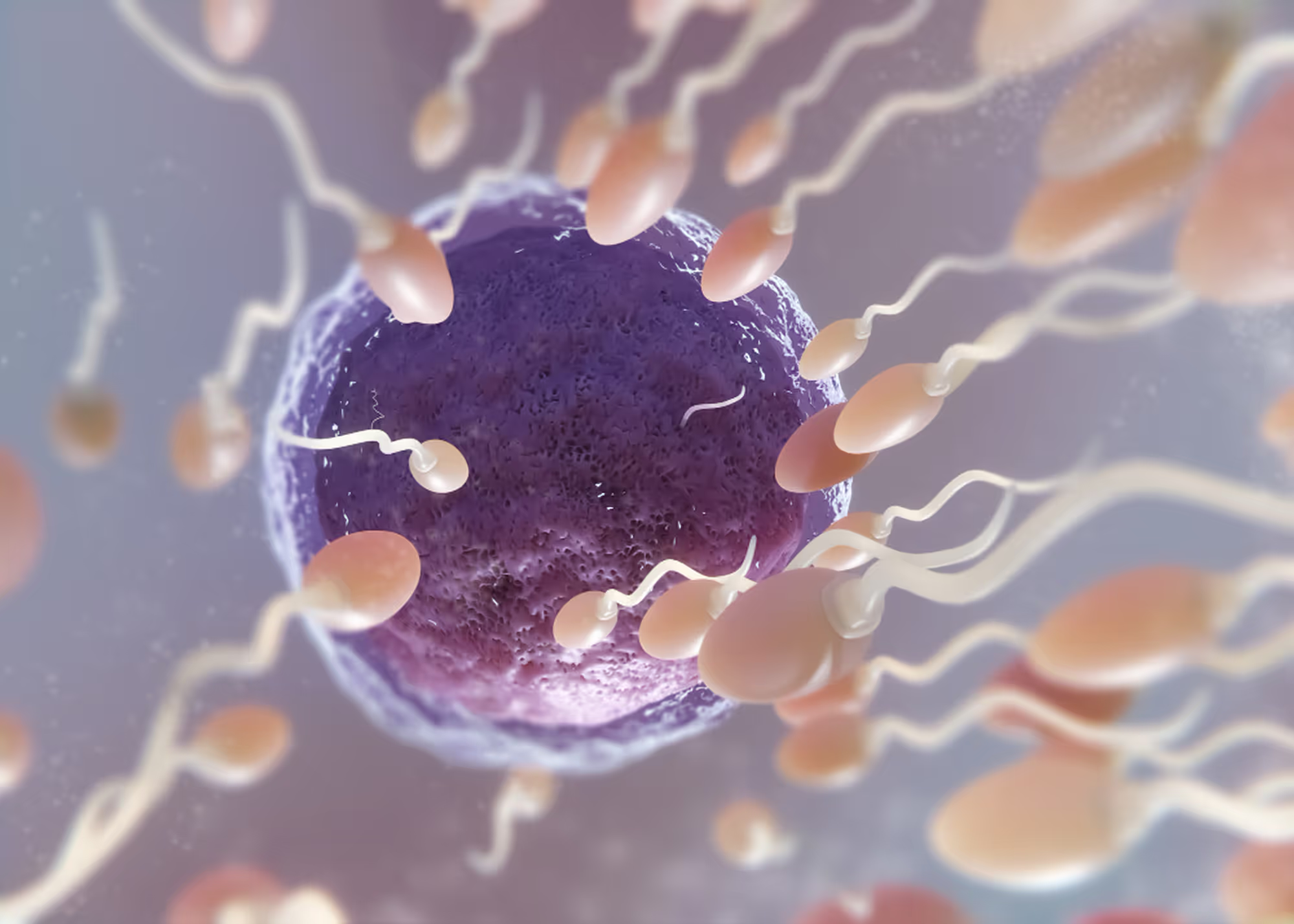
Sperm Retrieval
If reversal is unlikely to succeed or your partner wants or needs to pursue assisted reproduction (like IVF), we may instead recommend sperm retrieval directly from the testes or epididymis.
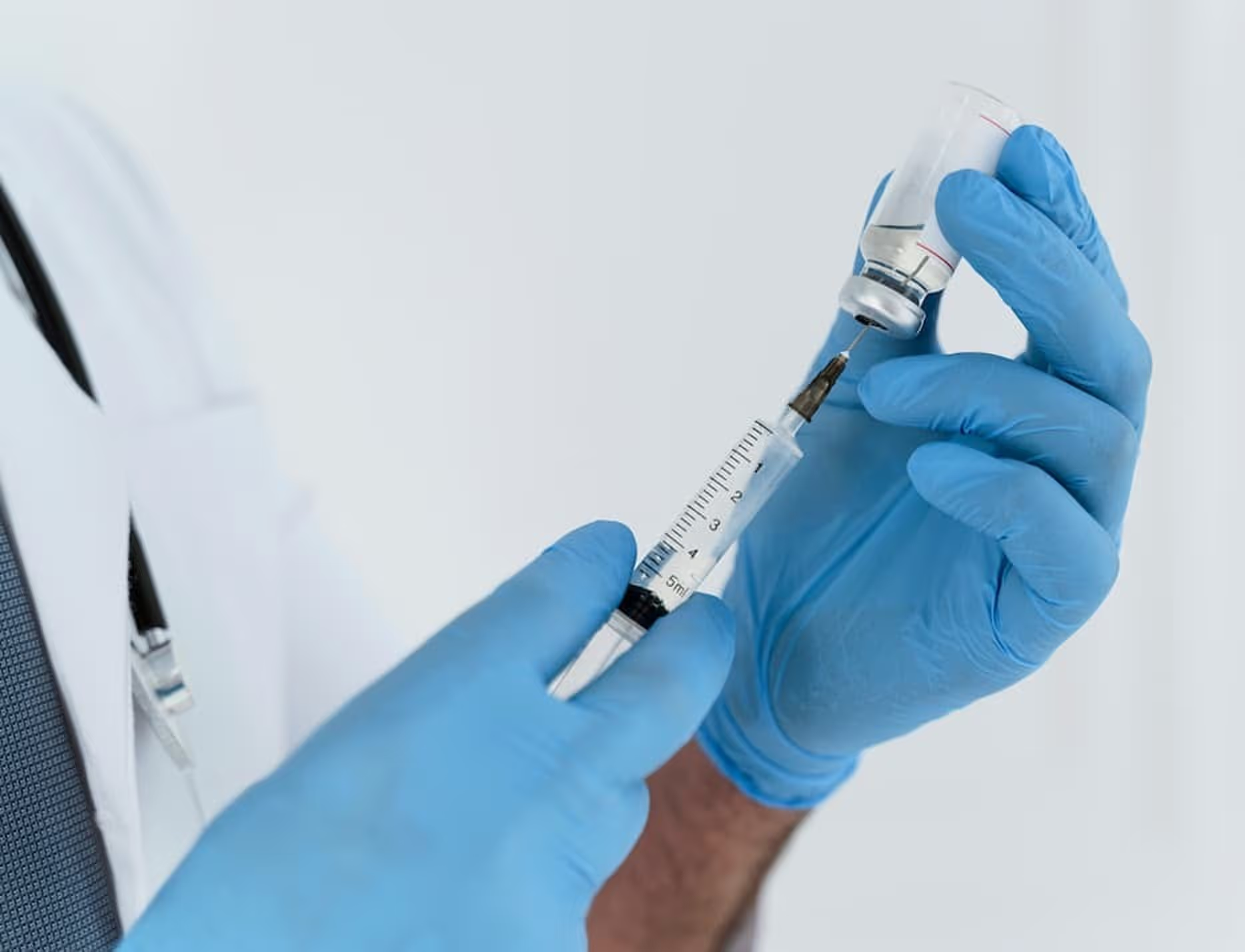
Assisted Reproductive Technologies
Another option is pursuing assisted reproduction from the start, during which eggs and sperm are retrieved from both parties to facilitate fertilization. Your evaluation will determine if your sperm quality and quantity necessitate this option.

Why Early Male Evaluation Matters
With proper vasectomy and reversal procedures, many men have a good chance of fully restoring fertility. According to the Mayo Clinic, vasectomy reversals succeed in 30-90% of cases, depending on how much time has passed and which procedure you choose. These procedures can be completed outpatient, and men can often return to all their normal activities, including sex, within a few weeks. Connect with your doctor before resuming any restricted activities.
Semen testing is the least invasive and most effective way to confirm the return of your normal sperm count. Following confirmation of reversal success, it may take a few months to over a year to achieve pregnancy, given favorable conditions for both partners.
Trust the Fertility Professionals at The Y Factor
The Y Factor has proudly supported vasectomies and vasectomy reversals for men of every age based on their family planning goals. Whether you're ready to start your family today or you are planning for your future, our physicians welcome you to partner with us to create your personalized care plan. Our physician-led practice focuses on you and your goals above all else, and after more than 25 years serving the Houston area, we are confident in our ability to help you make the right choice for your needs.
Schedule Your Post-Vasectomy Fertility Consultation Today
Post-vasectomy fertility is possible, and at The Y Factor in Houston, we will support you and your partner every step of the way. We prioritize your goals and privacy as we build a personalized care plan that helps you find a path to your ideal future. Schedule a consultation today or give us a cal at (832) 847-7121 to discover what options are available for your family.