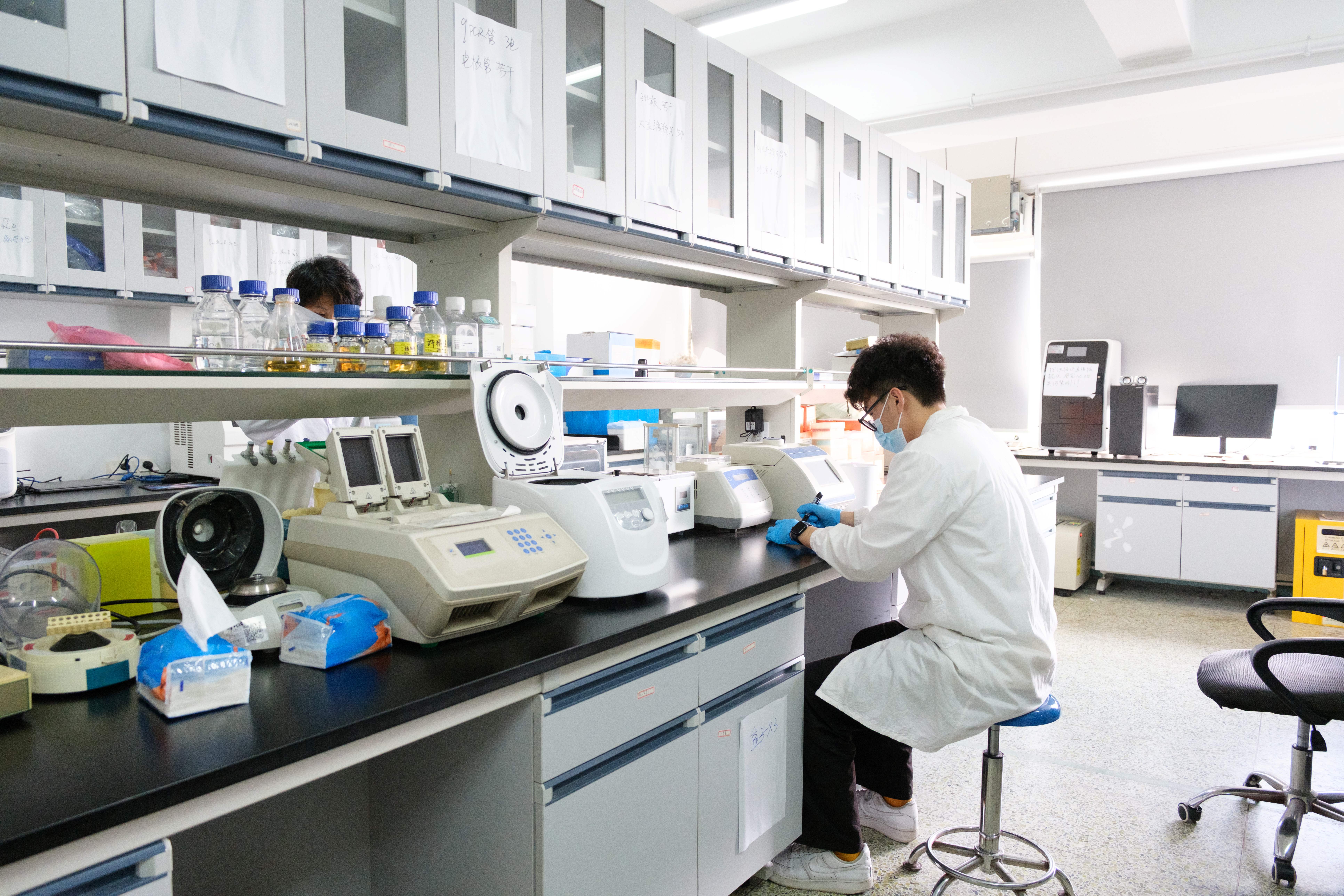
Semen Culture Testing for Male Fertility and Urologic Health
When evaluating male fertility or persistent urologic symptoms, infection and inflammation are often overlooked contributors. While many men assume fertility issues are purely hormonal or genetic, low-grade infection or chronic inflammation within the reproductive tract can negatively affect sperm quality, motility, and overall reproductive outcomes.
A semen culture is a specialized diagnostic test used to identify bacterial organisms or inflammatory contributors within semen. At The Y Factor, semen culture testing is used thoughtfully and selectively—when clinical context suggests it may change management or improve outcomes.

.webp)
What Is a Semen Culture?
A semen culture is a laboratory test that evaluates a semen sample for the presence of bacterial growth. Unlike a semen analysis, which assesses sperm quantity and quality, a semen culture focuses on identifying microorganisms that may be contributing to inflammation, impaired sperm function, or recurrent symptoms.
Importantly, semen culture is not a routine screening test for all men. It is a targeted diagnostic tool used when there is reason to suspect infection or inflammatory involvement.
.avif)
Why Semen Culture Matters in Male Fertility Evaluation
Even low-grade inflammation can impair sperm function without causing obvious symptoms. Inflammation may:
- reduce sperm motility
- increase oxidative stress
- impair sperm membrane integrity
- interfere with fertilization
In some cases, men with otherwise normal sperm counts experience unexplained infertility due to inflammatory or infectious factors that go undetected without targeted testing. A semen culture helps determine whether infection is contributing to fertility challenges and whether treatment could meaningfully improve sperm parameters or reproductive outcomes.
.webp)
When a Semen Culture Is Indicated
Semen culture testing may be appropriate in men with:
- abnormal semen analysis parameters (especially motility issues)
- recurrent or persistent genitourinary symptoms
- unexplained infertility
- history of recurrent balanitis or prostatitis
- pelvic or scrotal discomfort
- fertility challenges with no clear hormonal or structural cause
Testing is guided by symptoms and prior results—not ordered reflexively.
What a Semen Culture Tests For
Bacterial Organisms
Semen culture evaluates for bacterial growth that may indicate infection within the reproductive tract. Some organisms may be clinically significant, while others represent normal skin flora or contamination.The key is distinguishing pathogenic organisms from incidental findings.
Inflammatory Contributors
Even when bacteria are not clearly pathogenic, their presence may signal inflammation that affects sperm quality. Inflammatory conditions can impair motility and increase sperm DNA damage without causing overt infection symptoms.
Clinical vs Contaminant Findings
Not all bacteria identified on culture require treatment. Interpretation depends on:
- organism type
- bacterial load
- symptom correlation
- semen analysis findings
This is why culture results must be interpreted clinically rather than treated automatically.
.webp)
Symptoms That May Prompt Semen Culture Testing
Men who benefit from semen culture testing often report:
- intermittent pelvic or scrotal discomfort
- burning or irritation without clear infection
- recurrent foreskin or glans inflammation
- discomfort with ejaculation
- fertility challenges despite otherwise reassuring testing
In some cases, symptoms are subtle or intermittent, making targeted diagnostics especially valuable.
How Semen Culture Is Performed
Sample Collection and Handling
Semen samples are collected using sterile technique, either on-site or at home with proper handling instructions. Proper collection is critical to avoid contamination that can distort results.Patients are typically advised to:
- abstain for 2–5 days prior to collection
- avoid recent antibiotics unless directed
- follow clear collection instructions
.webp)
Interpreting Semen Culture Results
A positive semen culture does not automatically mean treatment is required. Interpretation considers:
- type of organism identified
- bacterial concentration
- correlation with symptoms
- impact on semen parameters
Some organisms may represent contamination or colonization rather than true infection.
.avif)
Why Not All Positive Cultures Require Treatment
Overtreatment with antibiotics can disrupt normal microbial balance and may not improve fertility outcomes. In some cases, treatment is unnecessary or even counterproductive.At The Y Factor, treatment decisions are based on:
- likelihood that organisms are contributing to symptoms or infertility
- potential benefits vs risks of therapy
- integration with other diagnostic findings
This prevents unnecessary antibiotic exposure and focuses care where it adds value.
.webp)
How Semen Culture Results Guide Next Steps
Depending on findings, semen culture results may guide:
- targeted antimicrobial therapy when appropriate
- repeat semen analysis to assess improvement
- evaluation for underlying contributors (such as phimosis or prostatitis)
- fertility planning and timing
- referral for additional diagnostics if needed
Culture results are used to inform a plan—not treated in isolation.
.avif)
Semen Culture, Fertility Outcomes, and Recurrent Symptoms
For some men, identifying and addressing low-grade infection or inflammation can lead to:
- improved sperm motility
- reduced inflammation
- improved comfort and symptom control
- better fertility outcomes
In others, culture results provide reassurance and help rule out infection as a contributor, allowing focus on other pathways.
Schedule a Semen Culture Evaluation
The Y Factor offers semen culture testing in Houston as part of a comprehensive male fertility and urologic evaluation. Testing is ordered thoughtfully, interpreted clinically, and integrated into a clear care plan.
If you’re experiencing unexplained fertility challenges or recurrent urologic symptoms, a semen culture may provide valuable insight.
Book an appointment to discuss whether semen culture testing is appropriate for you.