.svg)
Tell Us a Little More About Yourself!
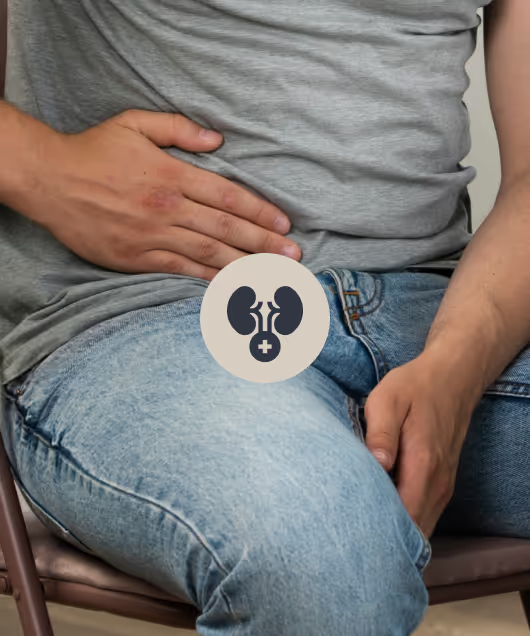
General Urology Conditions in Men
General urology encompasses a broad range of conditions affecting the urinary and reproductive systems in men. These conditions often present with subtle, progressive, or overlapping symptoms—such as urinary changes, pelvic discomfort, or penile concerns—that are frequently dismissed as normal aging or temporary issues.
At The Y Factor, general urology is approached through a diagnostic-first, physiology-driven framework. Rather than focusing solely on procedures or symptom suppression, we emphasize understanding the underlying cause of symptoms so that care decisions are informed, precise, and aligned with each patient’s overall health, sexual function, and fertility goals.

What Is General Urology?
General urology focuses on conditions affecting:
- the prostate
- the bladder and urinary tract
- the penis and foreskin
- the scrotum and pelvic structures
These systems are closely interconnected. Symptoms in one area often reflect dysfunction elsewhere, which is why isolated or fragmented care can miss the true cause of a man’s concerns.
General urology is not limited to surgical care. Many urologic conditions require thoughtful evaluation, monitoring, and medical management rather than immediate intervention.
Why General Urologic Symptoms Matter
Urologic symptoms are often early indicators of broader health issues, including:
- hormonal imbalance
- metabolic dysfunction
- vascular disease
- neurologic changes
For example, urinary symptoms may signal prostate enlargement, bladder dysfunction, or neurologic impairment. Penile or scrotal symptoms may reflect inflammatory, vascular, or structural conditions.
Ignoring these symptoms can allow conditions to progress unnecessarily.
Common General Urology Conditions We Evaluate

Prostate Health Conditions
The prostate plays a central role in urinary and reproductive health. Common prostate-related concerns include:
- prostate enlargement (benign prostatic hyperplasia)
- urinary frequency or urgency
- weak urinary stream
- incomplete bladder emptying
Prostate symptoms are common but should not be assumed to be benign without proper evaluation.
Know More
Bladder and Urinary Symptoms
Bladder-related symptoms can significantly affect quality of life. These may include:
- frequent urination
- nighttime urination
- urgency
- difficulty starting or stopping urine flow
Such symptoms may arise from bladder dysfunction, prostate issues, or neurologic causes and require careful diagnostic assessment.
Know More

Penile and Foreskin Conditions
Conditions affecting the penis and foreskin are often underreported due to embarrassment. These include:
- phimosis (tight foreskin)
- recurrent balanitis (foreskin or glans inflammation)
- cosmetic or structural penile concerns
Evaluation focuses on identifying whether symptoms are inflammatory, infectious, or structural in nature.
Know More

.avif)
General Urology Symptoms That Should Not Be Ignored
Men should seek evaluation for:
- persistent urinary changes
- pain or discomfort in the pelvis, scrotum, or penis
- visible changes in penile or foreskin anatomy
- recurrent infections or inflammation
- unexplained pelvic or testicular symptoms
Early evaluation often prevents unnecessary progression and anxiety.

Why Symptoms Are Often Misattributed or Delayed
General urologic symptoms are frequently delayed or misattributed because:
- men assume symptoms are part of aging
- concerns are minimized or ignored
- care is fragmented across multiple providers
- symptoms overlap with sexual or hormonal issues
This delay can lead to missed opportunities for early intervention.
How General Urologic Conditions Are Evaluated
Clinical History and Physical Examination
Evaluation begins with a thorough clinical history, including:
- symptom onset and progression
- urinary patterns
- sexual and reproductive history
- prior medical or surgical history
A focused physical examination provides additional insight into potential structural or inflammatory causes.
Imaging and Diagnostic Testing
Diagnostic tools may include:
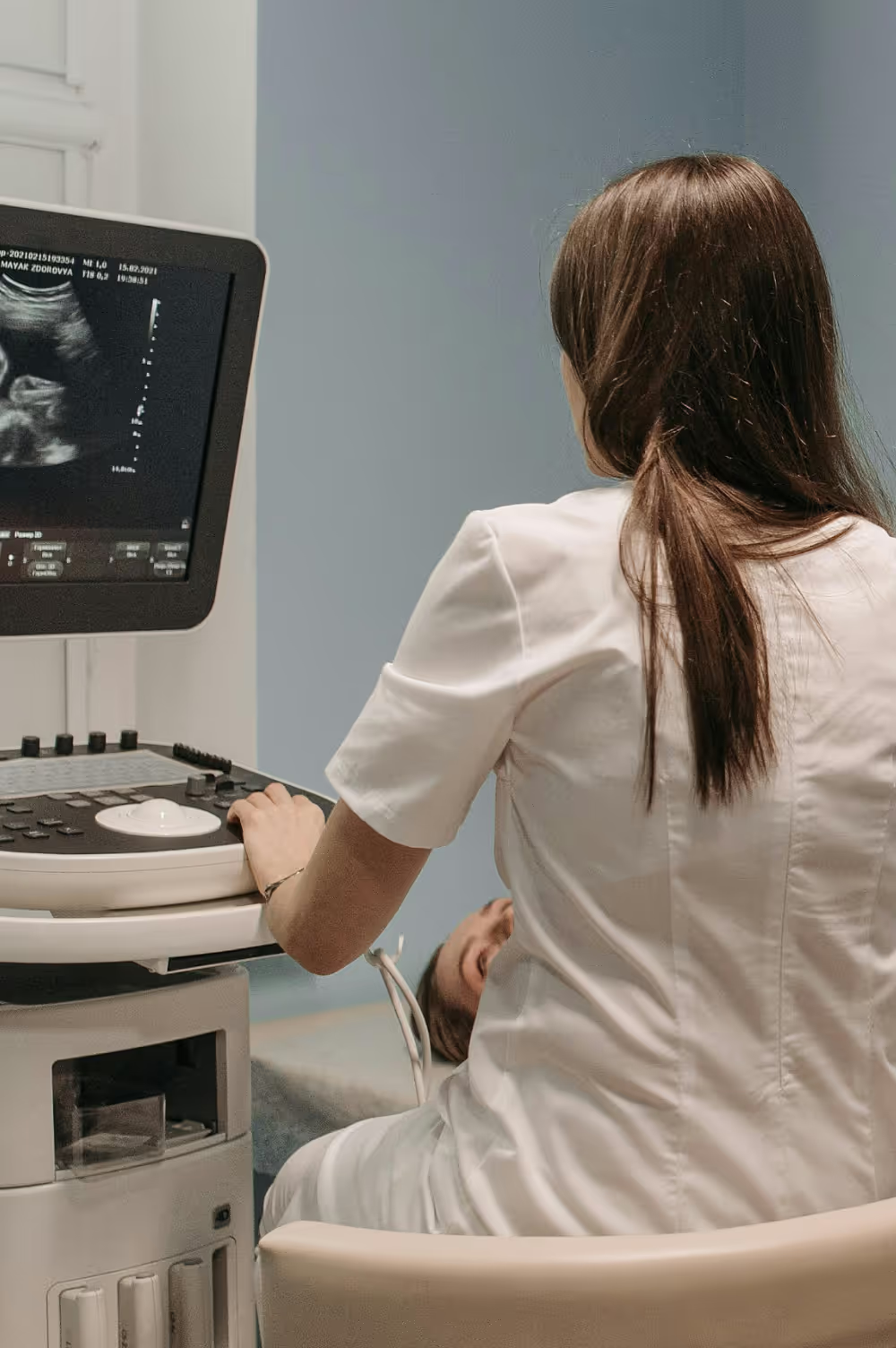
- ultrasound imaging of the prostate, bladder, or scrotum
- urine testing
- post-void residual measurements
Testing is selected based on clinical relevance, not routine protocols.

The Role of Diagnostics in Modern Urology
Advanced diagnostics allow urologic conditions to be evaluated objectively rather than inferred from symptoms alone. Imaging and targeted testing help:
- confirm or rule out structural abnormalities
- guide treatment decisions
- monitor progression over time
This diagnostic clarity reduces unnecessary interventions.

General Urology, Sexual Health, and Fertility
Urologic health is closely linked to sexual and reproductive function. Conditions affecting the prostate, bladder, or scrotum may also influence:
- erectile function
- ejaculation
- fertility potential
An integrated approach ensures that care decisions consider long-term sexual and reproductive health.
.webp)
When Men Should Seek Urologic Evaluation
Men should consider evaluation if they experience:
- persistent urinary symptoms
- pelvic, scrotal, or penile discomfort
- recurrent infections
- changes affecting sexual or reproductive health
Timely evaluation provides reassurance and appropriate care planning.
Schedule a General Urology Evaluation
The Y Factor provides comprehensive general urology evaluation in Houston, integrating diagnostic assessment and clinical oversight to address a wide range of urologic concerns in men.