.svg)
Tell Us a Little More About Yourself!
Hormone Testing for Men in Houston
Low energy, stubborn weight gain, mental fog — sound familiar? These aren't just signs of getting older. They're often symptoms of hormonal imbalance, and they don't have to be your new normal.
At The Y Factor, we provide comprehensive hormone testing for men in Houston to help you understand what's really going on beneath the surface. Our physician-led approach combines advanced diagnostics with personalized treatment plans to restore your vitality and help you feel like yourself again.


Our Comprehensive Hormone Testing Services
We test the hormones that matter most to male health and wellness:
- Testosterone is the foundation of male vitality, affecting energy, muscle mass, mood and sexual function. We measure both total and free testosterone to get the complete picture.
- Thyroid hormones (TSH, T3, T4) regulate metabolism, energy levels and body temperature. Imbalances here can mimic low testosterone symptoms.
- Cortisol is your stress hormone. Chronic elevation can tank testosterone, disrupt sleep and accelerate aging.
- Estradiol is the most abundant naturally occurring estrogen. Men need estrogen, too, but too much or too little throws everything off balance.
- DHEA is a precursor hormone that supports testosterone production, immune function and overall resilience.
- Prostate-specific antigen is essential for monitoring prostate health, especially when considering hormone optimization.
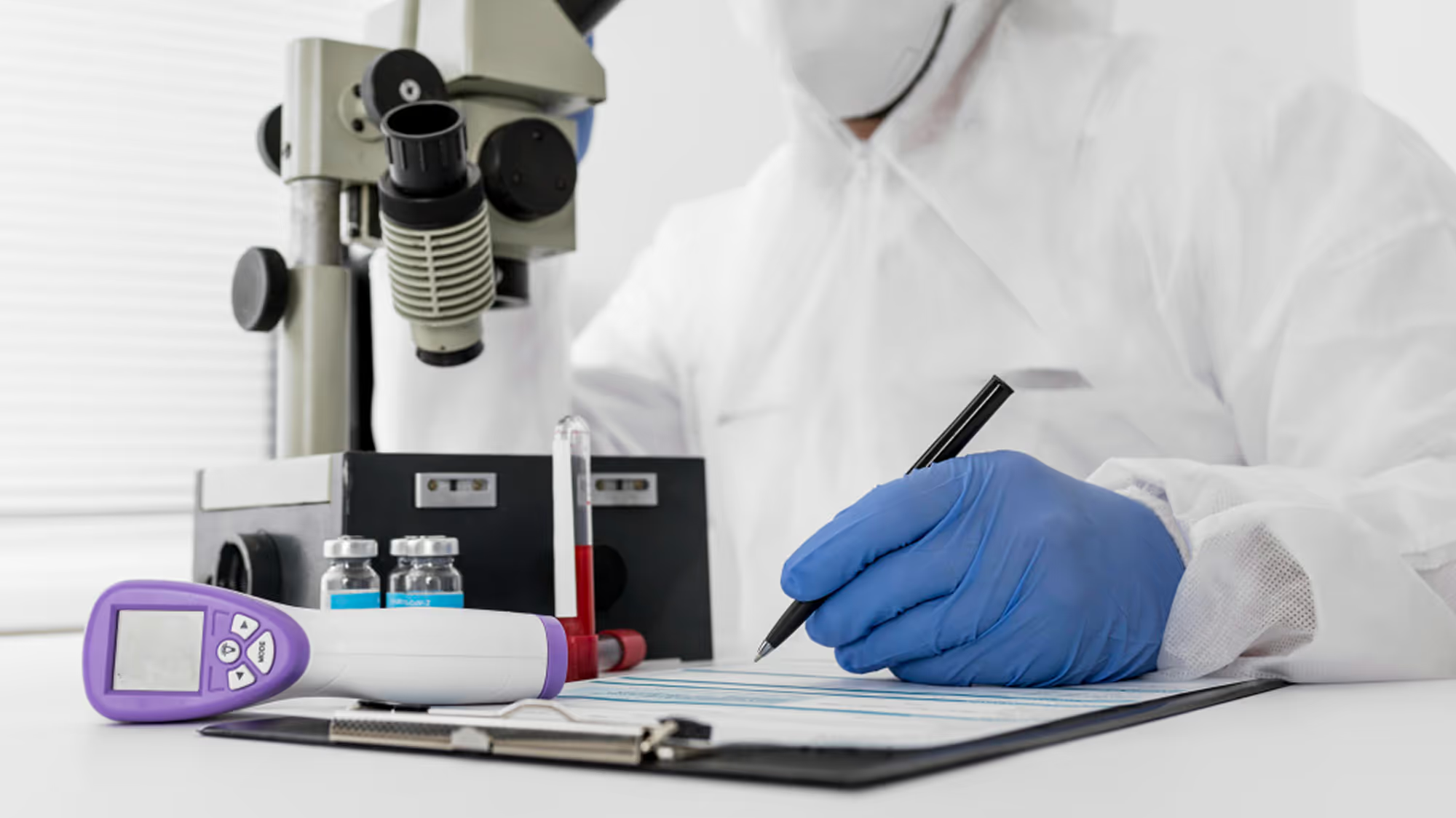
Every test is processed at certified labs, and the results are reviewed by our experienced physicians who specialize in men's health.
Benefits of Choosing Physician-Led Hormone Testing
When hormone levels are optimized, the changes are hard to miss. Men typically experience increased energy and stamina, improved mental clarity and focus, and better mood and motivation. Sexual performance improved. Fat loss becomes easier while muscle gain accelerates. Recovery speeds up, and immune function strengthens.
But the real benefit goes deeper than lab numbers. It's about reclaiming the life-enhancing confidence that comes from feeling strong, focused and capable again. Based on your results, we'll design a treatment protocol tailored to your needs, whether that includes testosterone replacement therapy, natural testosterone therapy, lifestyle modifications or other interventions. Our physician-led model ensures you get medical-grade care with expertise to address complex hormonal interactions, not just a testosterone prescription and a handshake.
Why Houston Men Trust The Y Factor for Hormone Testing
We've built our reputation on delivering real results through personalized, science-backed care. Here's what sets us apart:
- Convenient location: We're locally based and easy to reach, so you can get tested and start treatment without the hassle of traveling far or dealing with out-of-state telemedicine operations.
- Physician-led expertise: Our doctors specialize in men's health and hormone optimization. You'll work with medical professionals who understand the nuances of male hormones, not generalists or mid-level providers.
- Comprehensive approach: We don't just test testosterone. We evaluate your complete hormonal profile along with lifestyle factors, medical history and personal goals to create a treatment plan that works.
- Ongoing support: Hormone optimization isn't a one-time fix. We provide continuous monitoring and adjustments to ensure your treatment stays effective as your body and goals evolve.
- Peace of mind: From your first consultation to ongoing follow-ups, you'll know exactly what's being tested, why it matters and what your results mean for your health.
Get Started With a Male Hormone Test in Houston Today
Stop accepting fatigue, weight gain and declining performance as inevitable. Our men's hormone testing in Houston gives you clear answers and a personalized roadmap to better health. Ready to take control of your vitality? Contact us today or call (832) 234-9775 to schedule your comprehensive hormone evaluation with The Y Factor.