.svg)
Tell Us a Little More About Yourself!
Male Factor Miscarriage: How Male Fertility Impacts Pregnancy Loss
Miscarriage is a devastating experience for couples and is often framed almost exclusively as a female medical issue. While female factors play an important role, growing evidence shows that male fertility factors contribute meaningfully to pregnancy loss, particularly in cases of recurrent or unexplained miscarriage.
At The Y Factor, we take a comprehensive, couple-centered approach to fertility. This includes recognizing that sperm quality, genetic integrity, and overall male reproductive health can directly influence embryo development, implantation, and pregnancy outcomes.


Miscarriage Is Not Only a Female Issue
Historically, evaluation after miscarriage has focused almost entirely on the female partner. Uterine anatomy, hormonal balance, chromosomal abnormalities, and autoimmune conditions are often investigated in detail. In contrast, the male partner may receive limited or no evaluation beyond a basic semen analysis—or none at all.
This imbalance has contributed to the misconception that miscarriage is primarily a female problem. In reality, pregnancy is a biologic partnership, and embryo health depends on the quality of both the egg and the sperm, making a male fertility assessment essential when miscarriage occurs.

When to Seek Male Evaluation After Miscarriage
Male evaluation should be considered when:
- one or more miscarriages have occurred
- miscarriages are recurrent
- semen analysis shows abnormalities
- there is a history of male reproductive or metabolic issues
Early evaluation may reduce the risk of repeated loss.

What Is Male Factor Miscarriage?
Male factor miscarriage refers to pregnancy loss that is partly or primarily influenced by abnormalities in sperm quality or function. These abnormalities may not prevent fertilization but can impair early embryo development, leading to failed implantation or miscarriage.
Importantly, male factor miscarriage can occur even when:
- sperm count appears normal
- fertilization occurs successfully
- pregnancies are achieved repeatedly
In these cases, the issue lies not in achieving pregnancy, but in sustaining it.
How Male Fertility Affects Pregnancy Outcomes
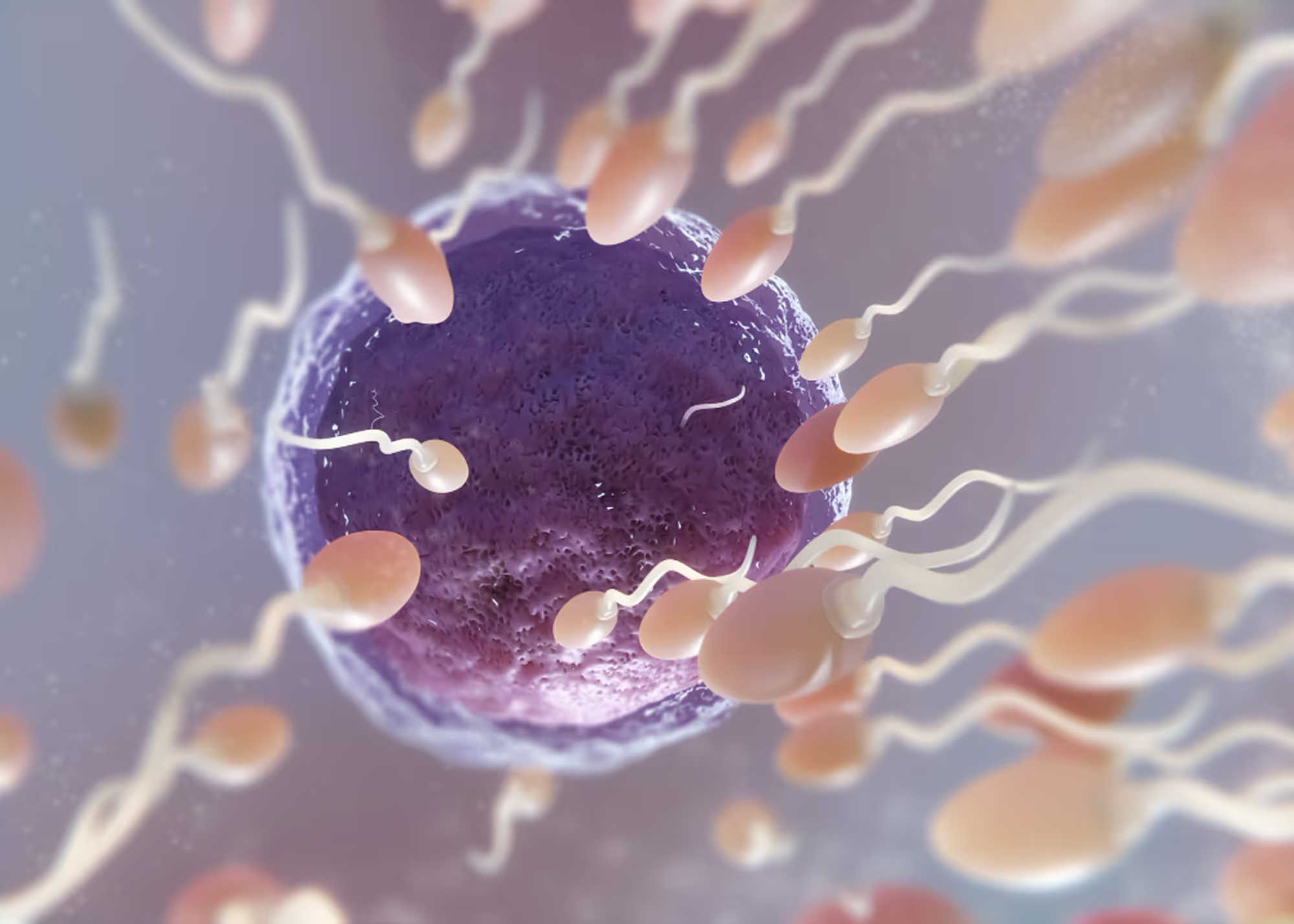
Sperm DNA Integrity and Embryo Development
Sperm contribute half of the genetic material to the embryo. Damage to sperm DNA can disrupt:
- early cell division
- embryo viability
- placental development
Sperm with compromised DNA may still fertilize an egg, but the resulting embryo may fail to develop properly or implant successfully.
Know More

Fertilization vs Healthy Embryo Formation
Fertilization is only the first step in pregnancy. Healthy pregnancies require:
- intact genetic material
- proper cellular signaling
- coordinated embryo development
Male fertility issues may not prevent fertilization but can impair these downstream processes, increasing miscarriage risk.
Know More
Male Factors Associated With Recurrent Miscarriage
These factors often coexist with abnormalities identified during a detailed male fertility evaluation.
Abnormal Sperm Morphology
Abnormal sperm morphology is increasingly associated with poor embryo quality. Structural abnormalities in sperm may reflect underlying DNA damage or impaired sperm development, both of which can affect pregnancy outcomes.
Poor Sperm Motility
Poor motility may reflect broader sperm dysfunction. Even when fertilization occurs, sperm with impaired motility may have compromised cellular integrity, increasing the risk of abnormal embryo development.
Sperm DNA Damage and Oxidative Stress
Oxidative stress is one of the most important contributors to male factor miscarriage. Reactive oxygen species can damage sperm DNA, leading to:
- chromosomal abnormalities
- impaired embryo development
- increased miscarriage risk
Sources of oxidative stress include inflammation, metabolic dysfunction, environmental exposures, and lifestyle factors.
Hormonal and Metabolic Factors
Hormonal imbalance in men can affect sperm development and genetic integrity. Metabolic conditions such as obesity, insulin resistance, and chronic inflammation are also associated with increased sperm DNA damage and adverse pregnancy outcomes.

Why Identifying Male Factors Matters
Identifying male contributors to miscarriage allows for:
- targeted interventions
- lifestyle and metabolic optimization
- informed reproductive planning
- improved coordination with fertility specialists
This approach shifts care from reactive to proactive.

Why Male Factor Miscarriage Is Often Overlooked
Male factor miscarriage is frequently overlooked because:
- standard fertility workups prioritize female evaluation
- basic semen analysis may appear “normal”
- sperm DNA integrity is not routinely assessed
- male fertility specialists are often consulted late
As a result, many couples experience repeated losses without a clear explanation.
How Male Factor Miscarriage Is Evaluated




Male Factor Miscarriage and “Unexplained” Pregnancy Loss
A significant proportion of unexplained miscarriages may involve unrecognized male factors. When male evaluation is incorporated earlier, contributing issues are often identified that change management strategies and improve outcomes.
Schedule a Male Fertility Evaluation
The Y Factor offers comprehensive male fertility evaluation in Houston, with a focus on diagnostic accuracy, clinical oversight, and individualized care planning. Appointments can be scheduled online or by contacting our clinic directly.