.svg)
Tell Us a Little More About Yourself!
Hormonal Imbalance in Men
Hormonal imbalance in men is a broad and often misunderstood category of health concerns that extends far beyond low testosterone alone. Male hormones operate as an interconnected system that influences energy, metabolism, mood, sexual function, fertility, and long-term health. When this system is disrupted, men may experience symptoms that are difficult to pinpoint and easy to dismiss.
At The Y Factor, hormonal imbalance is approached through a systems-based, diagnostic-first framework. Rather than focusing on a single hormone or symptom, we evaluate how multiple hormonal pathways interact and how imbalances reflect broader health patterns.


What Is Hormonal Imbalance in Men?
Hormonal imbalance occurs when one or more hormones are produced in abnormal amounts, are improperly regulated, or fail to act effectively on target tissues. In men, this imbalance may involve:
- testosterone
- estrogen
- pituitary hormones
- adrenal hormones
- metabolic hormones
Because these systems are interconnected, imbalance rarely exists in isolation.

The Male Hormonal System: More Than Just Testosterone
While testosterone is central to male health, it does not operate alone. The male hormonal system includes:
- brain-based signaling hormones that regulate production
- hormones involved in stress and metabolism
- conversion pathways that balance testosterone and estrogen
Disruption in any part of this network can produce symptoms commonly attributed to “low T,” even when testosterone levels appear normal.
.avif)
Common Types of Hormonal Imbalance in Men
Hormonal imbalance may present in several forms, including:
- low testosterone
- impaired hormone signaling
- altered testosterone-to-estrogen balance
- stress-related hormonal suppression
- metabolic hormone dysregulation
Each pattern has different implications for health, fertility, and treatment planning.

Symptoms of Hormonal Imbalance in Men
Symptoms of hormonal imbalance are often broad and nonspecific, which is why many men go years without a clear diagnosis. Common symptoms include:
- chronic fatigue
- low libido or sexual dysfunction
- mood changes or irritability
- difficulty concentrating
- weight gain or loss of muscle mass
- poor sleep or recovery
- reduced motivation or confidence
Because these symptoms overlap with stress, aging, and lifestyle factors, proper evaluation is critical.

Hormonal Imbalance, Metabolic Health, and Aging
Hormonal health and metabolic health are tightly linked. Hormonal imbalance can contribute to:
- insulin resistance
- increased abdominal fat
- reduced muscle mass
- cardiovascular risk
At the same time, metabolic dysfunction can suppress hormone production and signaling. Aging alone does not explain these changes; lifestyle and metabolic factors often accelerate hormonal decline.

Hormonal Imbalance and Sexual Health
Hormonal imbalance is a common contributor to male sexual health concerns, including:
- erectile dysfunction
- reduced libido
- performance anxiety
- changes in sexual confidence
Sexual symptoms are often the first sign of underlying hormonal disruption, but addressing them effectively requires understanding the broader hormonal context.
Hormonal Imbalance, and Fertility
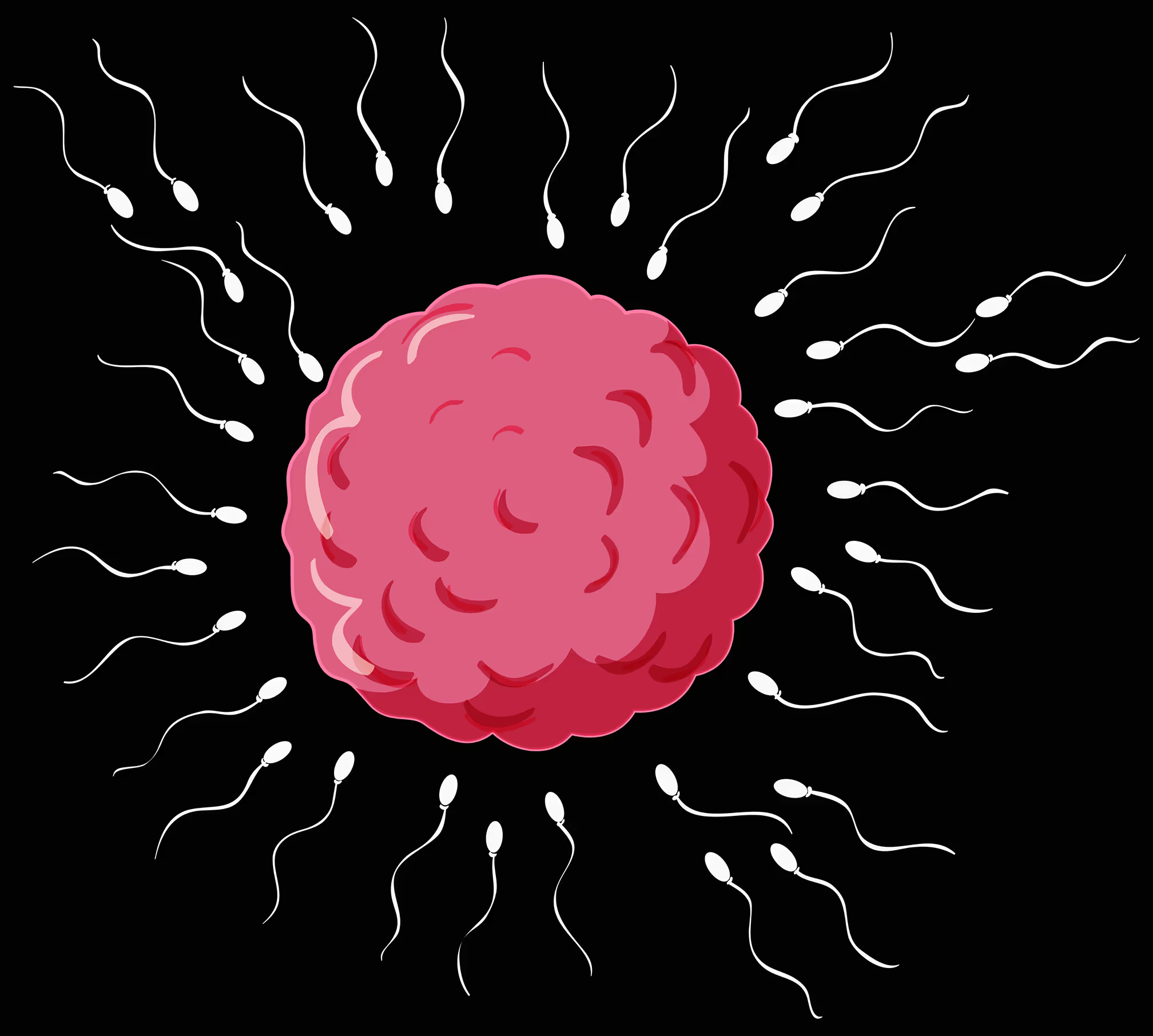
Hormones play a critical role in sperm production and reproductive health. Hormonal imbalance may:
- reduce sperm production
- impair sperm quality
- disrupt normal reproductive signaling
Men experiencing fertility challenges often have subtle hormonal imbalances that are not identified through basic testing alone.

Why Hormonal Imbalance Is Often Missed or Oversimplified
Hormonal imbalance is frequently overlooked because:
- symptoms develop gradually
- evaluations focus on single lab values
- “normal ranges” are applied without context
- metabolic and lifestyle factors are ignored
Oversimplified approaches may lead to treatment that addresses symptoms without correcting underlying dysfunction.
How Hormonal Imbalance in Men Is Evaluated
Comprehensive Hormone Testing
Evaluation includes assessing multiple hormones and their relationships to one another. Testing is often repeated and timed to ensure accuracy.
Clinical Context and Systems-Based Assessment
Hormone levels are interpreted in the context of:
- symptoms
- age and health history
- metabolic status
- fertility goals
- lifestyle factors
This broader perspective allows for more precise diagnosis.

Why a Diagnostic-First Approach Matters
A diagnostic-first approach ensures that:
- underlying causes are identified
- reversible factors are addressed
- fertility risks are understood
- treatment decisions are individualized
This approach avoids unnecessary or premature intervention.
When to Seek Evaluation for Hormonal Imbalance
Men should consider evaluation if they experience:
- persistent fatigue
- sexual health changes
- unexplained weight or body composition changes
- fertility concerns
- symptoms despite “normal” lab results
Early evaluation provides clarity and expands care options.

Schedule a Comprehensive Hormonal Evaluation
The Y Factor provides comprehensive hormonal evaluation in Houston, integrating diagnostic testing, clinical oversight, and individualized care planning for men experiencing hormonal imbalance.