.svg)
Tell Us a Little More About Yourself!
Primary Hypogonadism: Testicular Causes of Low Testosterone
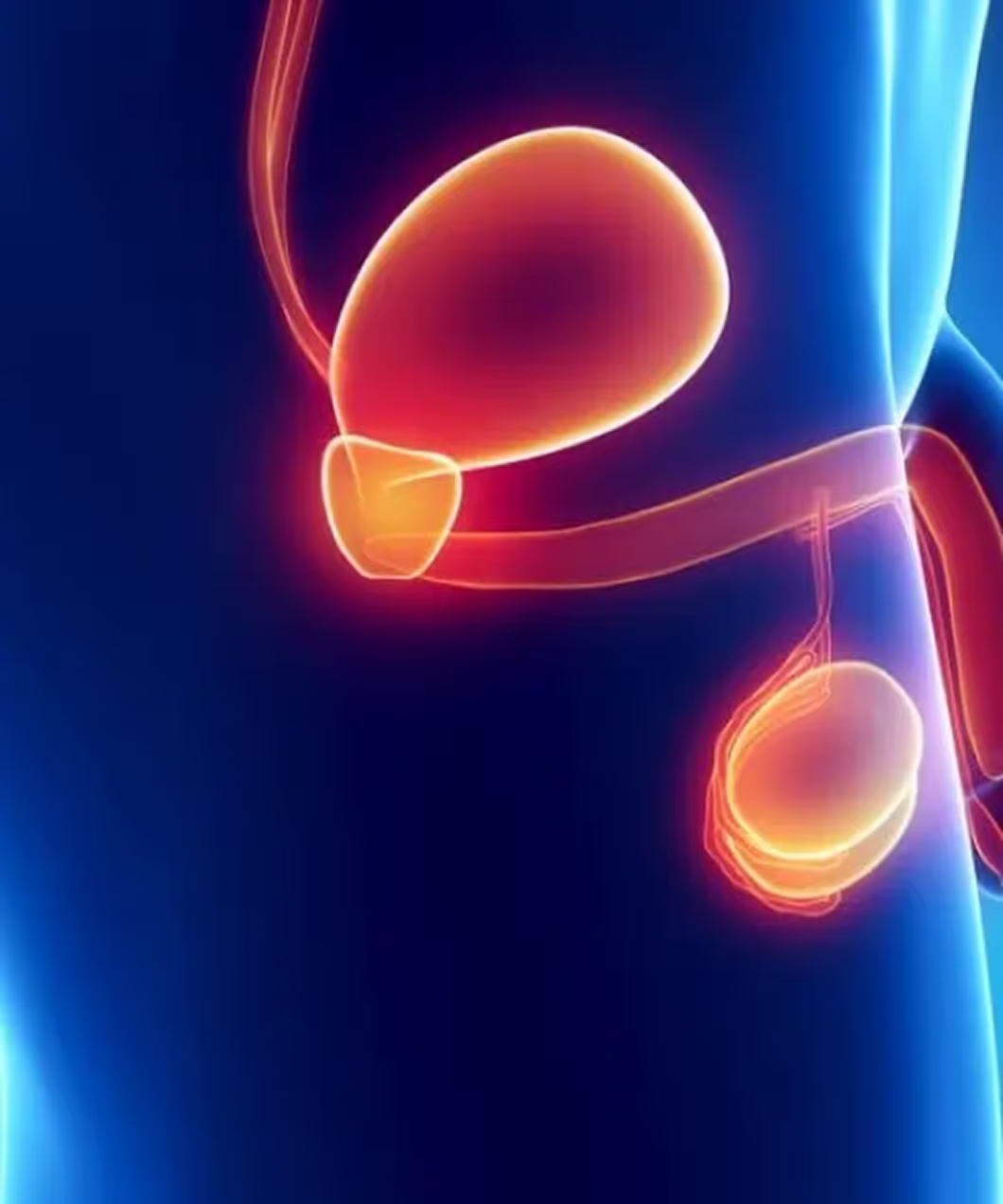
Primary hypogonadism is a form of low testosterone that originates at the level of the testes themselves. Unlike other causes of low testosterone that involve disrupted signaling from the brain or functional suppression related to health and lifestyle factors, primary hypogonadism reflects an intrinsic problem with testosterone production in the testes.
At The Y Factor, primary hypogonadism is evaluated through a diagnostic-first framework that distinguishes irreversible testicular causes from other, potentially reversible forms of hormonal imbalance. This distinction is critical for long-term health planning, fertility preservation, and appropriate treatment decisions.
.png)
What Is Primary Hypogonadism?
Primary hypogonadism occurs when the testes are unable to produce adequate testosterone despite receiving proper hormonal signals from the brain. In this condition, the pituitary gland increases its signaling efforts, but the testes do not respond appropriately.
This pattern differentiates primary hypogonadism from other forms of low testosterone and has important implications for fertility and long-term management.
.png)
How Testosterone Production Normally Works
Testosterone production relies on a coordinated signaling system between the brain and the testes. The brain releases hormones that instruct the testes to produce testosterone. When the testes are healthy, they respond by producing testosterone in amounts appropriate for the body’s needs.
This system functions as a feedback loop: when testosterone levels are sufficient, signaling decreases; when levels drop, signaling increases.

What Goes Wrong in Primary Hypogonadism
In primary hypogonadism, the brain sends appropriate—or even elevated—signals, but the testes are unable to respond adequately. This may occur due to damage, inflammation, genetic factors, or loss of functional testicular tissue.As a result:
- testosterone levels remain low
- brain signaling hormones rise
- sperm production may be impaired
This pattern reflects a testicular production failure, not a signaling issue.
Common Causes of Primary Hypogonadism
Primary hypogonadism can result from a variety of conditions that directly affect testicular function.

Testicular Injury or Trauma
Physical injury to the testes can damage testosterone-producing cells. Trauma may occur from:
- accidents
- sports injuries
- prior surgeries
Even injuries that occurred years earlier may lead to progressive decline in testicular function.

Genetic and Congenital Conditions
Some men are born with conditions that impair testicular development or function. Genetic or congenital causes may result in reduced testicular reserve and early-onset hypogonadism.
These conditions may not become apparent until adulthood, when symptoms of low testosterone emerge.
Cancer Treatment and Medical Therapies
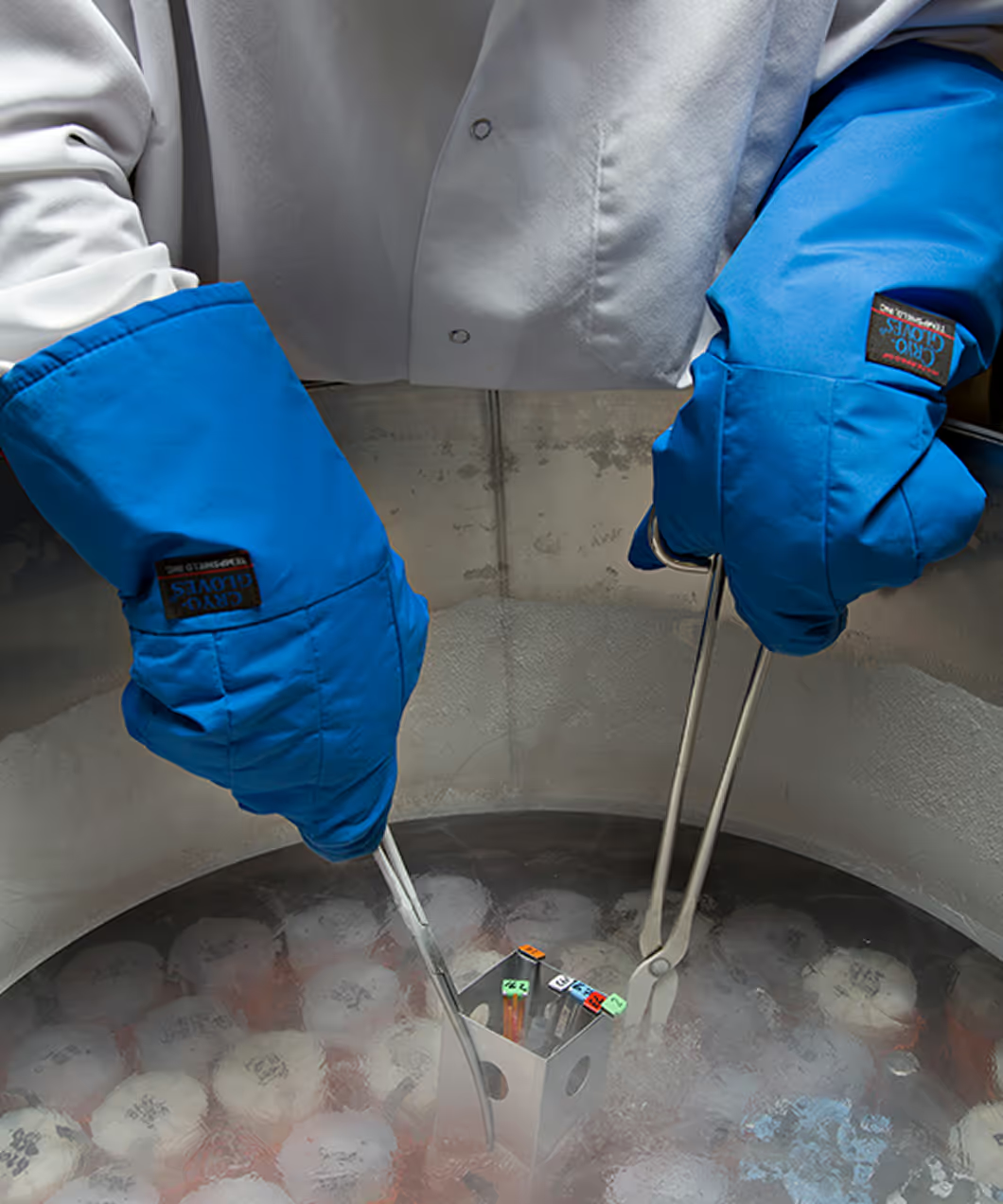
Chemotherapy, radiation therapy, and some medical treatments can impair testicular function. These therapies may damage testosterone-producing cells and reduce sperm production.Men who have undergone cancer treatment may experience delayed or progressive hypogonadism, making long-term monitoring important.
Infection or Inflammation
Certain infections and inflammatory conditions can damage testicular tissue. Inflammation may disrupt both testosterone production and sperm development, sometimes with lasting effects.
.png)
Primary Hypogonadism vs Other Causes of Low Testosterone
Primary hypogonadism differs from:
- secondary hypogonadism, where brain signaling is impaired
- functional low testosterone, where lifestyle or metabolic factors suppress hormone production
Distinguishing between these causes is essential, as management strategies and fertility implications differ significantly.
.png)
Symptoms of Primary Hypogonadism
Symptoms of primary hypogonadism may include:
- persistent fatigue
- low libido
- erectile dysfunction
- loss of muscle mass
- increased body fat
- mood changes
- reduced bone density over time
Symptoms often develop gradually and may be attributed to aging or stress unless evaluated properly.
.png)
Primary Hypogonadism and Fertility
Because testosterone production and sperm production occur within the testes, primary hypogonadism often affects fertility. Men with this condition may experience:
- reduced sperm production
- abnormal semen parameters
- infertility
Understanding fertility implications is especially important for men who wish to preserve future reproductive options.
How Primary Hypogonadism Is Diagnosed
Additional Evaluation When Indicated
Depending on clinical context, further evaluation may include:
- imaging
- genetic testing
- fertility assessment
Testing is individualized based on symptoms, age, and reproductive goals.
Hormonal Testing Patterns
Hormonal evaluation typically reveals:
- low testosterone levels
- elevated signaling hormones from the brain
This pattern indicates that the testes are not responding adequately to stimulation.

Why Accurate Diagnosis of Primary Hypogonadism Matters
Accurate diagnosis allows clinicians to:
- distinguish irreversible from reversible causes
- set realistic expectations
- guide fertility counseling
- avoid inappropriate treatment strategies
Treating primary hypogonadism without proper evaluation may lead to suboptimal outcomes.
.png)
When to Seek Evaluation for Primary Hypogonadism
Men should consider evaluation if they experience:
- symptoms of low testosterone
- fertility concerns
- history of testicular injury, infection, or cancer treatment
- unexplained hormonal abnormalities
Early evaluation allows for more informed long-term planning.

Why Identifying the Cause of Low Testosterone Matters
Understanding the cause of low testosterone allows for:
- targeted, individualized care
- avoidance of unnecessary or harmful treatment
- preservation of fertility when desired
- better long-term metabolic and cardiovascular outcomes
Without cause-based evaluation, treatment may address symptoms while worsening underlying health.
Schedule a Hormonal Evaluation
The Y Factor provides comprehensive hormonal evaluation in Houston, focused on identifying testicular causes of low testosterone and guiding evidence-based, individualized care.