.svg)
Tell Us a Little More About Yourself!
Secondary Hypogonadism: Brain-Driven Causes of Low Testosterone
Secondary hypogonadism is a form of low testosterone that originates not in the testes, but in the brain. In this condition, the testes are often capable of producing testosterone, but they are not receiving adequate hormonal signals to do so. As a result, testosterone levels fall despite otherwise functional testicular tissue.
At The Y Factor, secondary hypogonadism is evaluated through a diagnostic-first hormonal framework that distinguishes brain-driven causes from testicular failure and functional suppression. This distinction is critical, as secondary hypogonadism is often treatable or reversible when properly identified.

.png)
What Is Secondary Hypogonadism?
Secondary hypogonadism occurs when the hypothalamus or pituitary gland fails to send appropriate signals to the testes. These signals normally stimulate testosterone production and support sperm development.In secondary hypogonadism:
- testosterone levels are low
- brain signaling hormones are low or inappropriately normal
- the testes may remain structurally intact
Because the problem lies upstream, identifying secondary hypogonadism opens the door to different management strategies than those used for primary testicular failure.
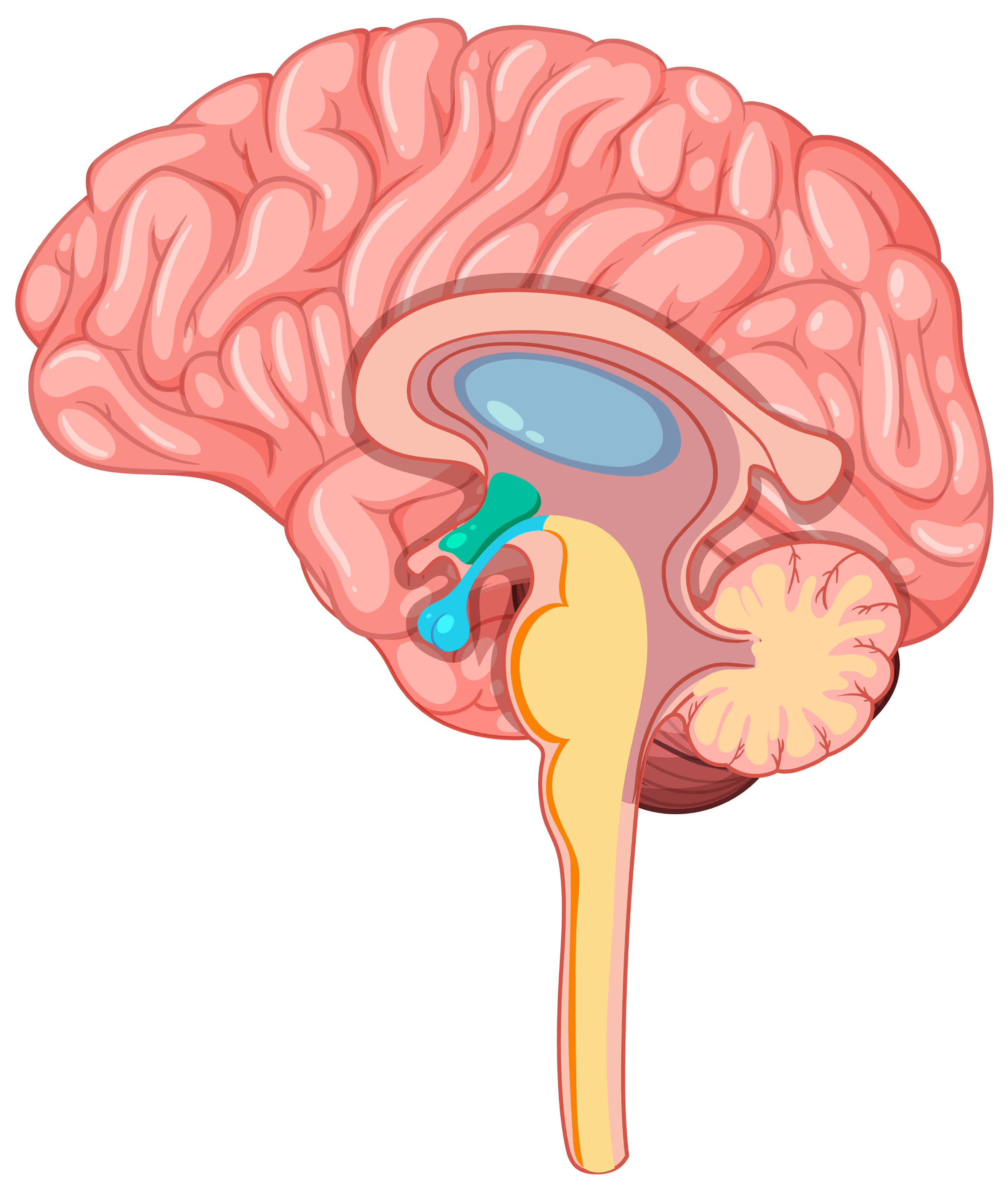
How Testosterone Production Is Regulated by the Brain
Testosterone production is controlled by a tightly regulated communication system between the brain and the testes. The hypothalamus releases signaling hormones that stimulate the pituitary gland, which in turn signals the testes to produce testosterone.
This system operates as a feedback loop. When testosterone levels are adequate, signaling decreases. When levels drop, signaling increases. Any disruption in this loop can suppress testosterone production.

What Goes Wrong in Secondary Hypogonadism
In secondary hypogonadism, the brain fails to generate or transmit sufficient hormonal signals. This may occur due to structural abnormalities, neurologic injury, systemic illness, or medication effects.
As a result:
- the testes receive insufficient stimulation
- testosterone production declines
- sperm production may be impaired
Importantly, because the testes themselves are often capable of producing testosterone, secondary hypogonadism may be more amenable to targeted intervention.
Common Causes of Secondary Hypogonadism
Secondary hypogonadism can arise from a variety of conditions that interfere with brain signaling.
Pituitary and Hypothalamic Disorders
Disorders affecting the pituitary or hypothalamus can impair hormonal signaling. These may include:
- benign pituitary tumors
- structural abnormalities
- inflammatory or infiltrative conditions
Even small abnormalities can significantly disrupt testosterone regulation.
Medication-Induced Secondary Hypogonadism
Certain medications suppress pituitary signaling, including:
- opioids
- glucocorticoids
- some psychiatric medications
Medication effects are often overlooked contributors to secondary hypogonadism.

Systemic Illness and Chronic Disease
Chronic illnesses such as kidney disease, liver disease, or autoimmune conditions can suppress brain signaling. Inflammatory mediators interfere with normal hormone regulation, leading to reduced testosterone production.
Head Injury and Neurologic Conditions
Traumatic brain injury, concussions, or neurologic disorders may impair the brain’s ability to regulate hormone production. Symptoms may develop months or years after injury.
.png)
Secondary Hypogonadism vs Primary and Functional Low Testosterone
Secondary hypogonadism differs from:
- primary hypogonadism, where the testes fail to respond
- functional low testosterone, where lifestyle or metabolic factors suppress hormone production
Accurate classification ensures that treatment targets the correct mechanism.
.png)
Symptoms of Secondary Hypogonadism
Symptoms may overlap with other forms of low testosterone and include:
- persistent fatigue
- low libido
- erectile dysfunction
- mood changes
- cognitive difficulties
- reduced physical performance
Because symptoms are nonspecific, diagnostic testing is essential.

Secondary Hypogonadism and Fertility
Because testosterone signaling from the brain also regulates sperm production, secondary hypogonadism may impair fertility. Men may experience reduced sperm production despite otherwise healthy testes.
Understanding fertility implications is especially important for men who wish to preserve or restore reproductive potential.
How Secondary Hypogonadism Is Diagnosed
When Imaging or Additional Testing Is Needed
Depending on clinical context, additional evaluation may include:
- imaging of the pituitary gland
- neurologic assessment
- broader endocrine testing
Testing is individualized based on symptoms and risk factors.

Why Accurate Diagnosis of Secondary Hypogonadism Matters
Correctly identifying secondary hypogonadism allows clinicians to:
- address reversible causes
- avoid unnecessary treatment
- preserve fertility when desired
- improve long-term health outcomes
Misclassification can lead to inappropriate management.

When to Seek Evaluation for Secondary Hypogonadism
Men should consider evaluation if they experience:
- symptoms of low testosterone
- history of head injury or pituitary disease
- chronic illness
- medication exposure known to affect hormones
Early evaluation expands treatment options.
Schedule a Hormonal Evaluation
The Y Factor provides comprehensive hormonal evaluation in Houston, focused on identifying brain-driven causes of low testosterone and guiding individualized, evidence-based care.