.svg)
Tell Us a Little More About Yourself!
Delayed Ejaculation
Delayed ejaculation is a less commonly discussed but clinically significant sexual health condition affecting men. Unlike premature ejaculation, delayed ejaculation involves difficulty or inability to reach ejaculation, despite adequate sexual stimulation, arousal, and erection. For some men, ejaculation may take an uncomfortably long time; for others, it may not occur at all.
At The Y Factor, delayed ejaculation is evaluated through a medical, diagnostic-first framework, recognizing that ejaculation timing reflects complex interactions between neurologic signaling, hormonal balance, medication effects, vascular health, and psychological context. Proper evaluation allows men to understand why delayed ejaculation occurs and how it relates to broader sexual and overall health.

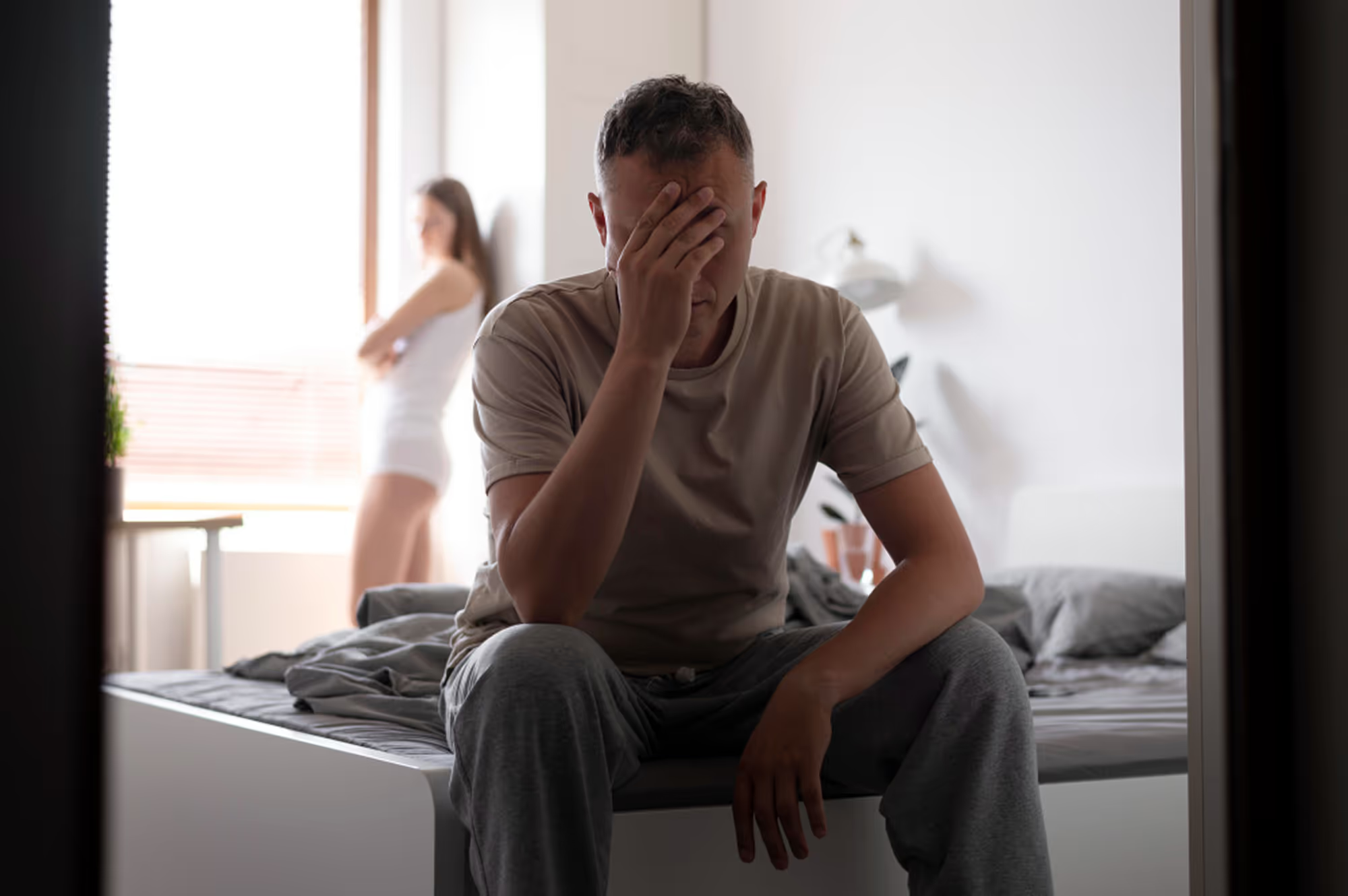
What Is Delayed Ejaculation?
Delayed ejaculation refers to a persistent or recurrent difficulty achieving ejaculation during sexual activity, despite sufficient arousal and stimulation. The condition becomes clinically relevant when it causes distress, frustration, or impacts sexual satisfaction for the individual or their partner.
Delayed ejaculation exists on a spectrum:
- prolonged time to ejaculation
- inconsistent ejaculation
- inability to ejaculate during partnered sex
Importantly, delayed ejaculation is defined by loss of control or satisfaction, not by an exact time threshold.
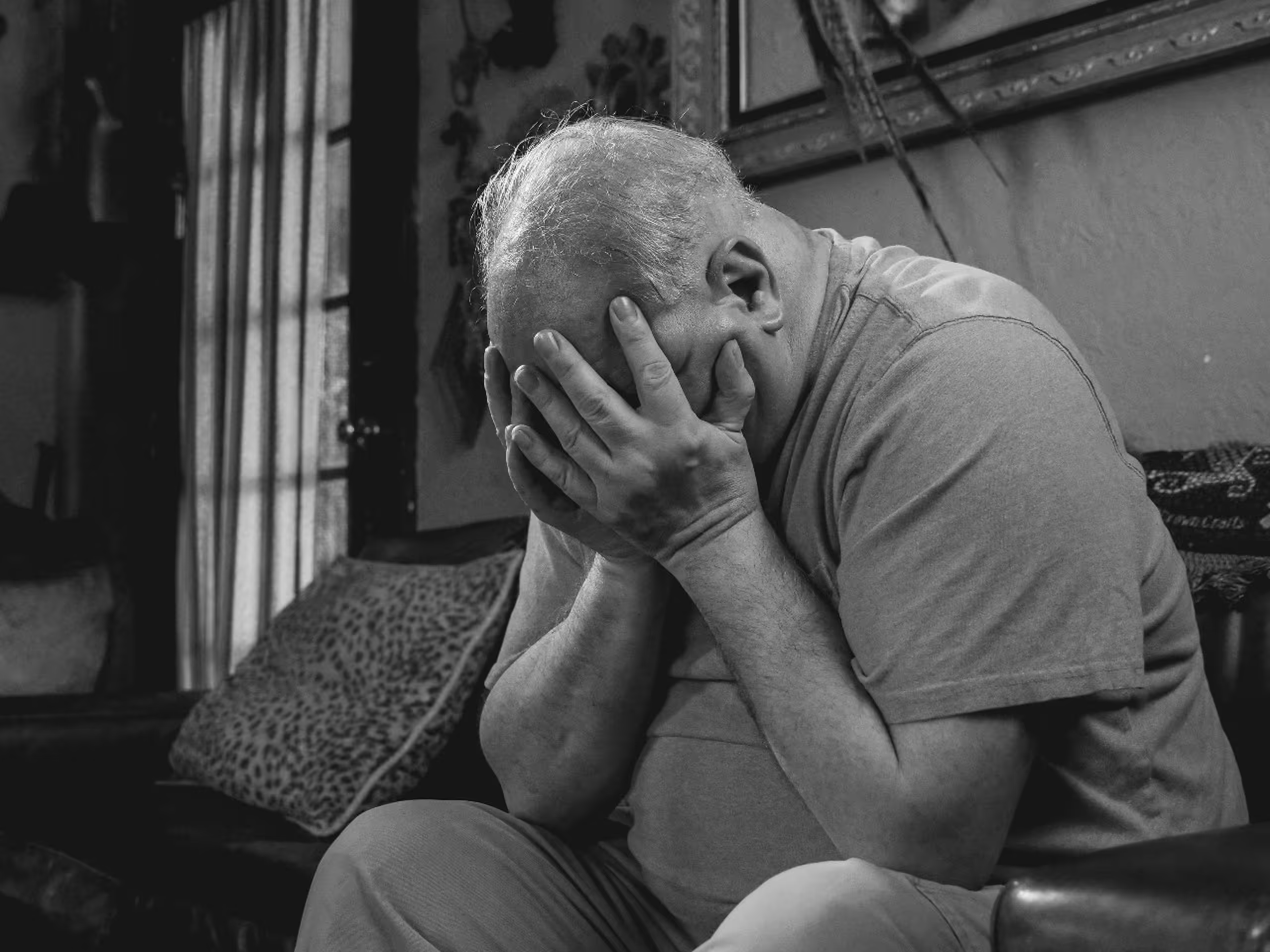
How Ejaculation Normally Occurs
Ejaculation is a coordinated neurophysiologic process involving:
- sensory input from the penis
- spinal reflex pathways
- brain-based control centers
- autonomic nervous system signaling
- hormonal modulation
The process includes two phases:
- Emission, where seminal fluid is moved into the urethra
- Expulsion, where rhythmic muscular contractions propel semen outward
Disruption at any level of this pathway can impair ejaculation timing.
Types of Delayed Ejaculation
Understanding whether delayed ejaculation is lifelong or acquired helps guide evaluation.

Lifelong delayed ejaculation begins with a man’s earliest sexual experiences and persists consistently across partners and situations. Men with this pattern may:
- have never ejaculated during intercourse
- ejaculate only under very specific conditions
- experience symptoms independent of age or health changes
Lifelong delayed ejaculation is often associated with neurologic sensitivity patterns or deeply ingrained neurobehavioral responses.
Acquired delayed ejaculation develops later in life after a period of normal ejaculatory function. This form is more commonly linked to:
- medication use
- hormonal imbalance
- neurologic conditions
- psychological stress or relationship factors
Acquired delayed ejaculation often improves when underlying contributors are identified and addressed.
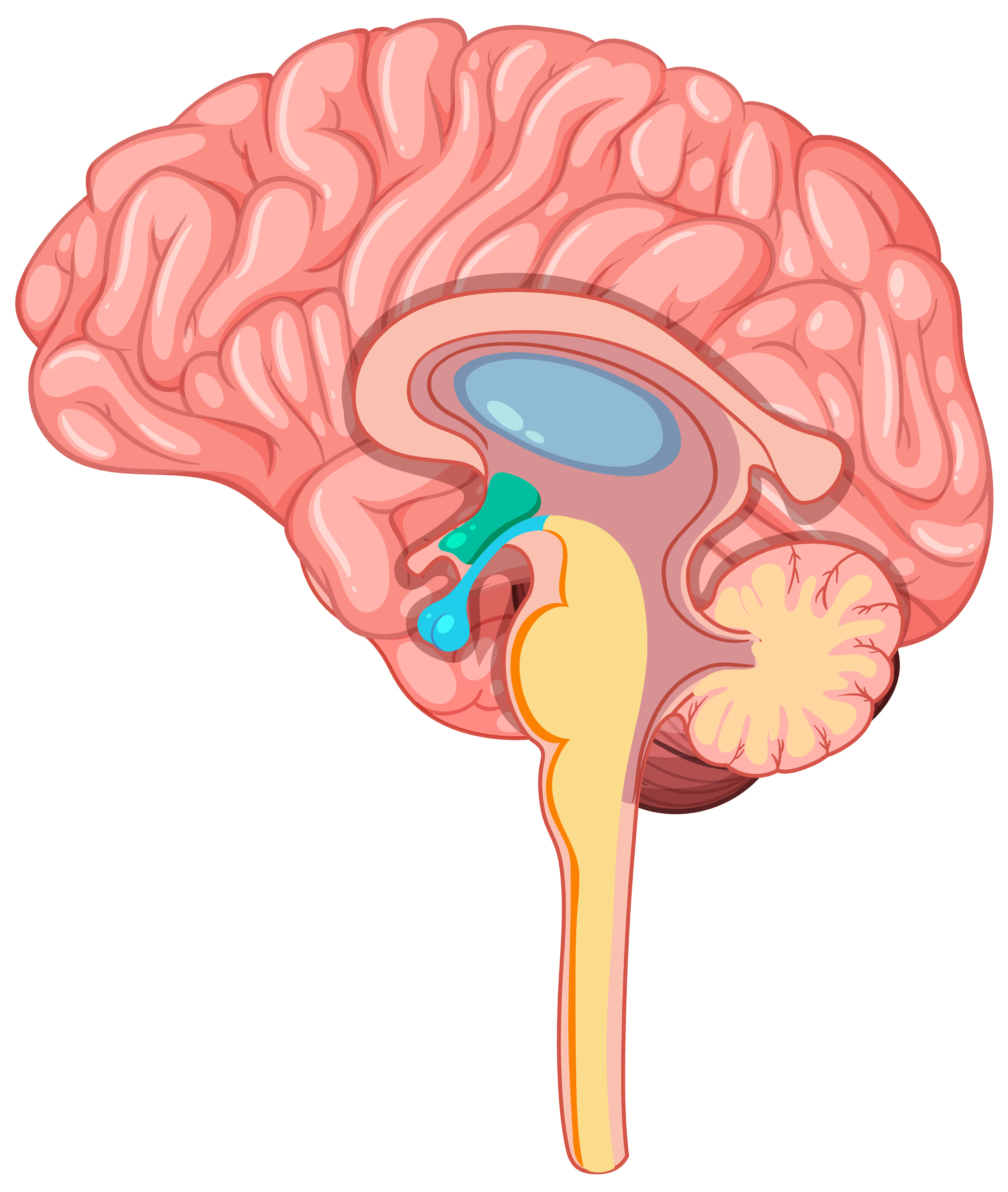
Common Causes of Delayed Ejaculation
Delayed ejaculation is usually multifactorial. Common contributors include:
- medication side effects
- neurologic signaling disruption
- hormonal imbalance
- reduced penile sensitivity
- anxiety or psychological factors
Unlike PE, delayed ejaculation is less often caused by heightened reflex sensitivity and more commonly related to suppressed neurologic signaling.
Delayed Ejaculation and Erectile Function
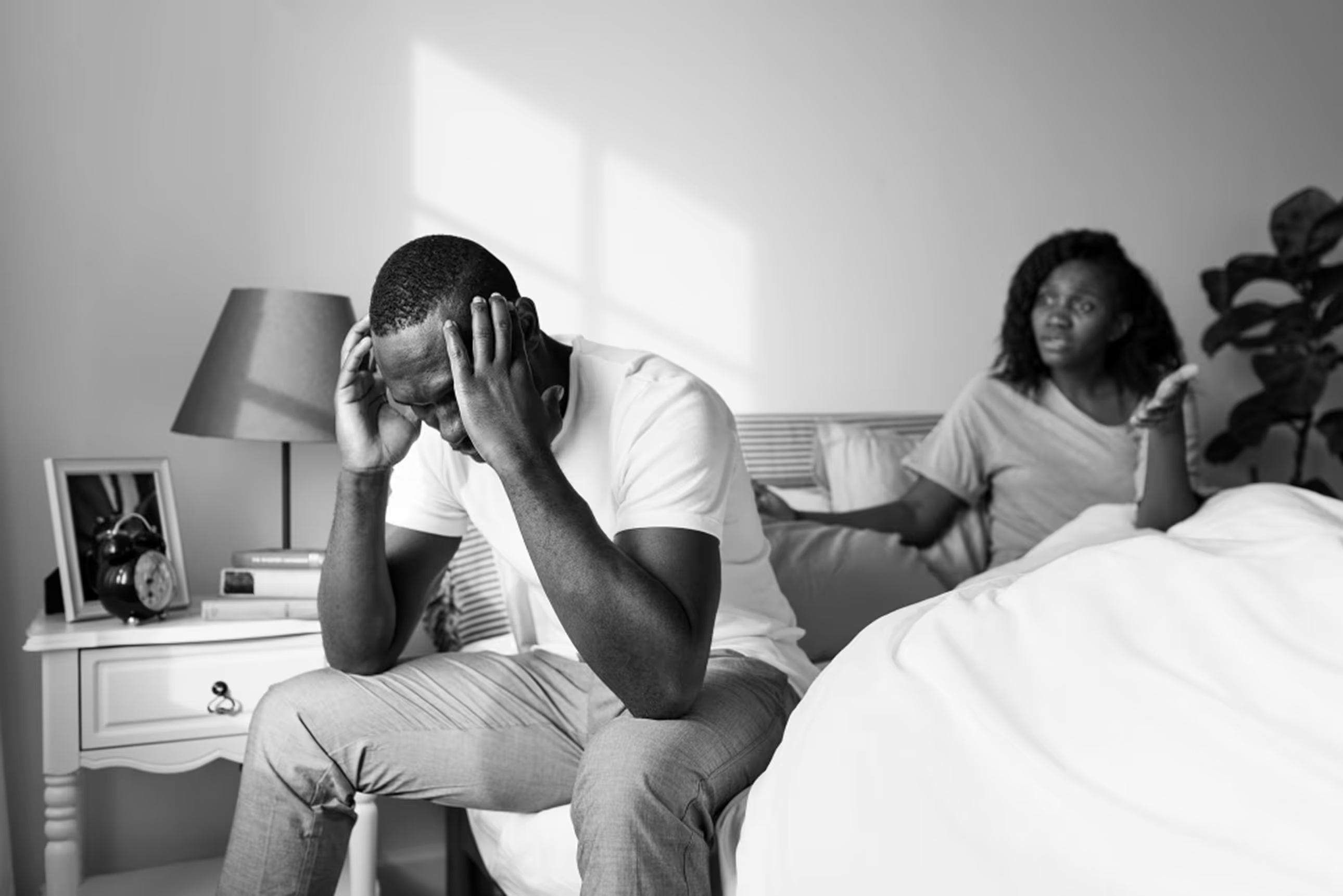
Delayed ejaculation frequently coexists with erectile dysfunction. Men may maintain erections but struggle to reach climax, or erections may weaken as sexual activity is prolonged.
Understanding the relationship between erection quality and ejaculation timing is essential for accurate diagnosis.
Why Delayed Ejaculation Is Often Overlooked
Delayed ejaculation is frequently overlooked because:
- it is less discussed than PE or ED
- men may feel embarrassed or confused
- symptoms are mistaken for psychological issues alone
- medications are not reviewed thoroughly
As a result, many men never receive a structured evaluation.

Symptoms and Patterns of Delayed Ejaculation
Symptoms may include:
- prolonged intercourse without ejaculation
- inability to climax during partnered sex
- ejaculation only with specific stimulation
- frustration or fatigue during sexual activity
- reduced sexual satisfaction
Patterns such as situational versus consistent symptoms provide important diagnostic clues.
How Delayed Ejaculation Is Evaluated
Clinical History and Symptom Pattern
Evaluation begins with a detailed sexual history, including:
- onset and progression of symptoms
- consistency across partners and situations
- relationship to erection quality and libido
- medication and health history
This information helps differentiate lifelong from acquired delayed ejaculation.
Assessment for Hormonal, Neurologic, and Medication Factors
Because delayed ejaculation often involves suppressed signaling, evaluation may include:Testing is guided by clinical findings rather than routine protocols
- hormone testing
- neurologic considerations
- medication review
- assessment of sensory changes

Delayed Ejaculation and Emotional Health
Delayed ejaculation can affect emotional well-being and relationships. Men may experience:
- frustration or embarrassment
- anxiety about performance
- strain on intimacy
- avoidance of sexual activity
Acknowledging these effects is essential to comprehensive care.

When Men Should Seek Evaluation
Men should consider evaluation if they experience:
- persistent difficulty ejaculating
- delayed ejaculation after starting medications
- changes in ejaculatory function later in life
- distress or reduced sexual satisfaction
Early evaluation improves clarity and treatment options.
Schedule a Sexual Health Evaluation
IThe Y Factor provides comprehensive sexual health evaluation in Houston, integrating diagnostic assessment and clinical oversight for men experiencing delayed ejaculation and related concerns.