.svg)
Tell Us a Little More About Yourself!
Abnormal Sperm Morphology (Teratozoospermia): Causes, Evaluation, and Fertility Implications
Abnormal sperm morphology, medically referred to as teratozoospermia, is a common finding during male fertility evaluation and a frequent source of confusion for patients. Sperm morphology refers to the shape and structural integrity of sperm cells. When a high percentage of sperm have abnormal shape, fertility potential may be reduced—even when sperm count and motility appear normal.
At The Y Factor, abnormal sperm morphology is evaluated through a diagnostic-first, evidence-based framework. Rather than focusing on a single semen parameter in isolation, we assess morphology in the context of overall reproductive health, hormonal balance, and contributing medical or environmental factors.

What Is Abnormal Sperm Morphology?
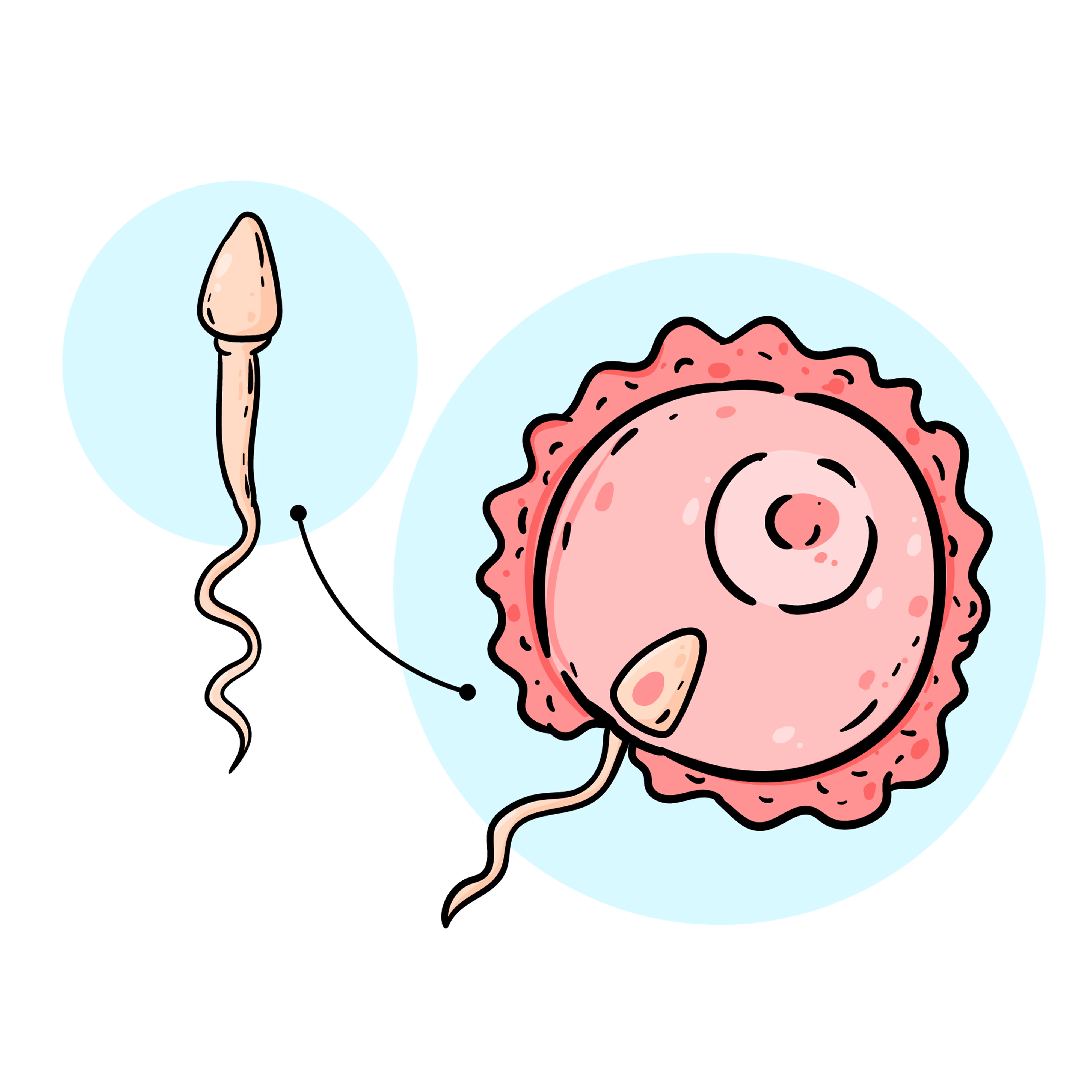
Sperm morphology describes the size, shape, and structure of individual sperm cells. A normal sperm has:
- a smooth, oval head
- an intact midpiece
- a long, straight tail
Abnormal morphology occurs when a significant proportion of sperm display structural defects such as:
- misshapen or large heads
- tapered or irregular heads
- bent or double tails
- defects in the midpiece
A diagnosis of abnormal sperm morphology is made based on semen analysis results compared against established reference criteria.
Why Sperm Morphology Matters for Fertility
How Sperm Shape Affects Fertilization
Normal sperm morphology is important because sperm structure affects:
- the ability to swim efficiently
- the ability to penetrate the egg
- the integrity of genetic material
Sperm with abnormal shape may have difficulty reaching the egg or successfully fertilizing it. Even when fertilization occurs, abnormal morphology may reflect underlying sperm DNA damage or impaired sperm function.
Morphology vs Sperm Count and Motility
Sperm morphology is one component of semen quality and must be interpreted alongside:
- sperm count (quantity)
- sperm motility (movement)
Some men have isolated morphology abnormalities, while others have combined defects affecting multiple parameters. The impact on fertility depends on the severity and combination of findings.
How Sperm Morphology Is Evaluated
Semen Analysis and Morphology Criteria
Sperm morphology is assessed during semen analysis using strict laboratory criteria. Only sperm that meet very specific structural standards are considered normal. As a result, it is common for a large percentage of sperm to be classified as abnormal—even in fertile men.
This makes expert interpretation essential.
Why Morphology Interpretation Requires Context
A low morphology percentage does not automatically mean infertility. Interpretation depends on:
- severity of abnormality
- presence of other semen abnormalities
- reproductive history
- overall health
Because morphology assessment is subjective and technically challenging, results should always be reviewed by clinicians experienced in male fertility evaluation.
Common Causes of Abnormal Sperm Morphology
Abnormal morphology may arise from a variety of underlying factors. Identifying these contributors helps determine whether the condition is reversible, treatable, or requires advanced reproductive planning.
Testicular and Developmental Causes
Structural abnormalities in sperm development may result from:
- impaired spermatogenesis
- testicular injury or inflammation
- varicoceles affecting testicular temperature and blood flow
These factors may disrupt normal sperm formation.
Hormonal and Metabolic Factors
Hormonal imbalance may affect sperm maturation and morphology. Contributors may include:
- testosterone imbalance
- pituitary dysfunction
- metabolic conditions such as obesity or insulin resistance
Hormonal abnormalities may exist even in men without obvious symptoms.
Oxidative Stress and DNA Damage
Oxidative stress damages sperm membranes and genetic material. It is a common contributor to abnormal morphology and may result from:
- inflammation or infection
- metabolic dysfunction
- environmental toxin exposure
Abnormal morphology may serve as a marker for underlying sperm DNA damage.
Lifestyle and Environmental Contributors
Lifestyle and environmental factors significantly influence sperm structure. Contributors may include:
- tobacco or excessive alcohol use
- exposure to heat
- occupational or environmental toxins
- chronic stress
- poor nutrition
Addressing modifiable factors may improve morphology over time.

Abnormal Sperm Morphology and “Unexplained” Infertility
In many cases labeled as unexplained infertility, subtle sperm morphology abnormalities are present but underappreciated. More detailed male evaluation may reveal contributors that influence fertility outcomes and guide management.
Additional Evaluation After Abnormal Morphology Is Identified
Hormonal Testing
Hormonal evaluation helps identify endocrine contributors that may impair sperm development and morphology.
Scrotal Ultrasound
Scrotal ultrasound may be used to evaluate:
- Testicular structure
- varicoceles
- abnormalities affecting testicular environment
Additional Diagnostic Considerations
In select cases, further evaluation may be considered to assess infection, inflammation, or genetic factors. Testing is individualized based on clinical relevance.

Abnormal Sperm Morphology and Pregnancy Outcomes
Emerging research suggests that abnormal sperm morphology may be associated with:
- reduced fertilization rates
- increased time to conception
- higher miscarriage risk in severe cases
This highlights the importance of comprehensive male evaluation as part of fertility care.
Management Depends on the Underlying Cause
There is no single treatment for abnormal sperm morphology. Management depends on identifying contributing factors and may include:
- lifestyle and metabolic optimization
- addressing inflammation or infection
- hormonal management when indicated
- coordination with reproductive specialists
Care plans are individualized based on diagnosis and reproductive goals.

When to Seek Evaluation for Abnormal Sperm Morphology
Men should consider evaluation if:
- semen analysis shows abnormal morphology
- pregnancy has not occurred despite appropriate attempts
- there is a history of testicular injury, illness, or environmental exposure
- future fertility is a concern
Early evaluation allows for more informed decision-making.
Schedule a Male Fertility Evaluation
The Y Factor provides comprehensive male fertility evaluation in Houston, focused on diagnostic accuracy, clinical oversight, and individualized care planning.
Appointments can be scheduled online or by contacting our clinic directly.