.svg)
Tell Us a Little More About Yourself!
Venous Leakage (Veno-Occlusive Erectile Dysfunction)
Venous leak, also known as veno-occlusive erectile dysfunction, is a specific vascular cause of erectile dysfunction characterized by the inability to maintain an erection, despite adequate blood flow into the penis. Unlike arterial erectile dysfunction—where insufficient blood enters the penis—venous leak occurs when blood enters normally but exits too quickly through the venous system.
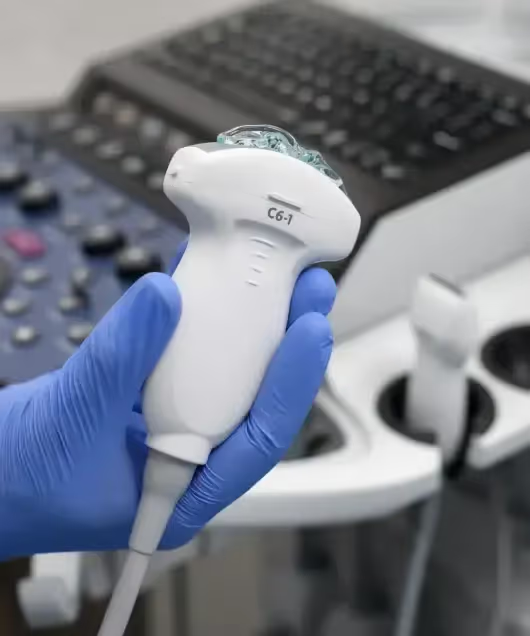
At The Y Factor, venous leak is evaluated through objective vascular diagnostics, not guesswork. Proper diagnosis is essential, as venous leak behaves differently than other forms of ED and often requires a different management approach.


What is a Venous Leak?
A venous leak occurs when the veins of the penis fail to properly trap blood during an erection. While blood may flow into the erectile tissue normally, the venous system does not adequately compress, allowing blood to drain prematurely. This results in erections that are:
- difficult to maintain
- short-lived
- less rigid over time
Venous leak is not a problem of desire or arousal—it is a mechanical and vascular issue.

How Erections Are Maintained
To understand venous leak, it is important to understand how erections are normally sustained. During arousal:
- arteries dilate, allowing increased blood inflow
- erectile tissue expands and fills with blood
- veins are compressed against the surrounding tissue
- blood is trapped, maintaining rigidity
This venous compression mechanism is essential. Without it, erections cannot be sustained.

What Goes Wrong in Venous Leak
In venous leak, the compression of the veins is inadequate. Blood escapes through the venous system faster than it can be retained, leading to:
- incomplete rigidity
- rapid loss of erection
- difficulty sustaining intercourse
Venous leak may occur even when arterial inflow and hormone levels are normal.

Venous Leak vs Other Causes of Erectile Dysfunction
Venous leak differs from other causes of ED in important ways:
- arterial ED involves difficulty achieving an erection
- venous leak involves difficulty maintaining an erection
- psychogenic ED is often situational and inconsistent
Understanding these distinctions helps guide appropriate diagnostic testing.

Common Venous Leak Causes
Venous leak may result from:
- damage to erectile tissue structure
- loss of smooth muscle tone
- prior penile trauma
- connective tissue changes
- aging-related tissue remodeling
It often coexists with arterial disease, metabolic dysfunction, or prior vascular injury, which is why confirming venous leak requires objective vascular testing rather than symptom assessment alone.

Venous Leak Symptoms
Symptoms that suggest venous leak include:
- erections that start firm but fade quickly
- inability to maintain rigidity during penetration
- better erections initially than later in sexual activity
- limited response to oral ED medications
These patterns are distinct from psychogenic ED.
How Venous Leak Is Diagnosed

.avif)
Untreated venous leak may worsen over time, particularly if underlying contributors such as metabolic dysfunction or vascular disease progress. Early diagnosis allows men to:
- understand the cause of ED
- avoid ineffective treatments
- make informed care decisions
- preserve sexual confidence

Schedule a Venous Leak Evaluation
The Y Factor provides comprehensive venous leak evaluation in Houston, integrating advanced penile vascular
imaging and clinical expertise to identify the underlying cause of erectile dysfunction.